Our B Corp™ Certification represents an important milestone for Design ID, recognising the exceptional progress we have made over the last years while strengthening our commitment to continually improving the way we design, specify and operate.
While we are proud of achieving B Corp Certification, we do not see it as a claim of perfection.
Interior design involves choices and compromises. Materials need to perform, projects have budgets and programmes, products need to be available, and creative ambitions must work alongside practical requirements. Responsible design means understanding those realities, asking better questions and helping our clients make informed decisions wherever we have an opportunity to make a positive difference.
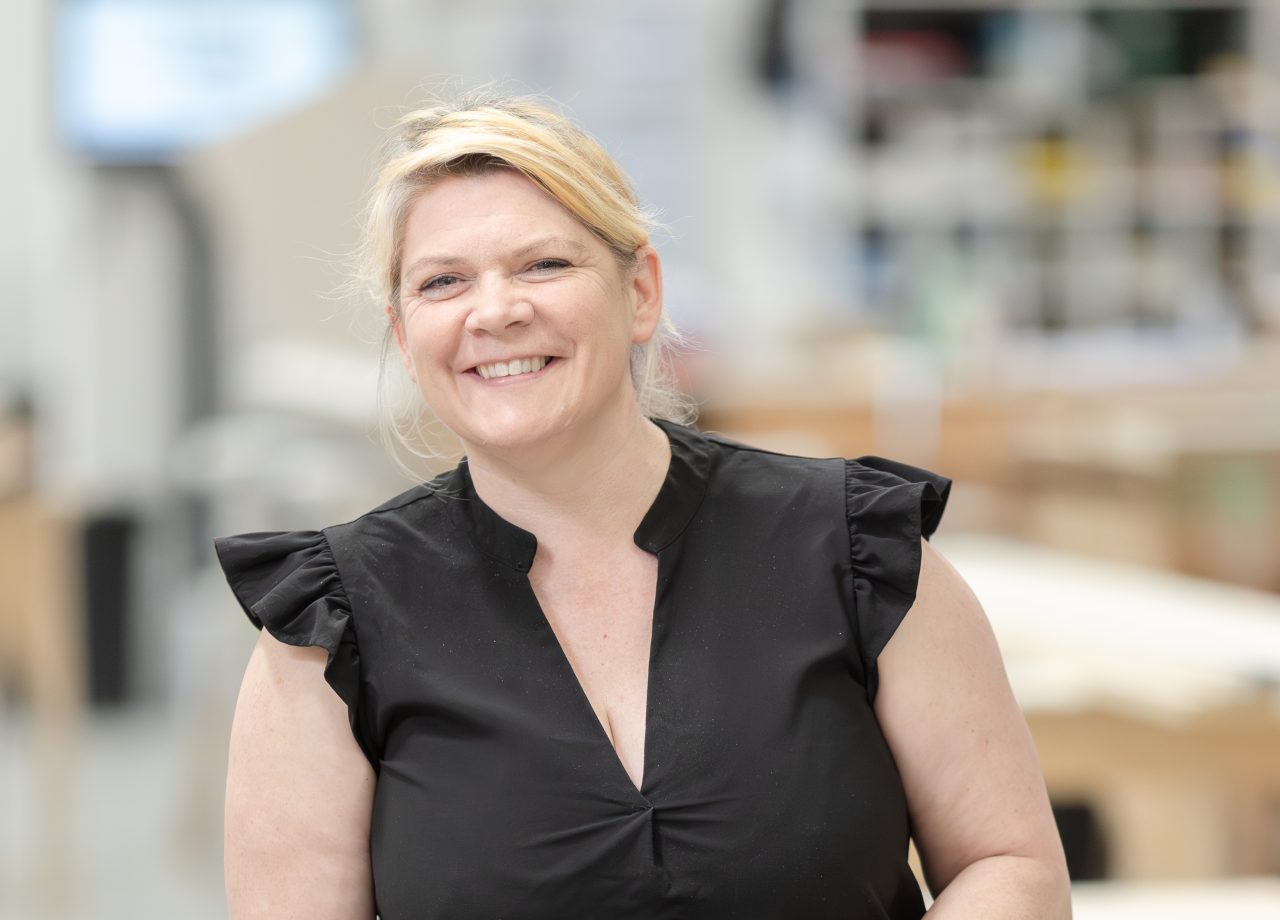
“As an interior design studio, many of the decisions we make can influence the environmental and social impact of an interior long before it is built. From the materials we specify and the suppliers we recommend to durability, adaptability and the long-term performance of a space, responsible thinking is becoming an increasingly important part of the design process.
B Corp provides us with a valuable framework for looking more deeply at those decisions and continuing to raise our expectations of ourselves and the businesses we work with.
We are incredibly proud to be part of a B Corp™ Certified business. For Design ID, it reinforces the responsible design principles we are continuing to build into our studio and gives us a stronger framework for considering the impact of the decisions we make.
It encourages us to look more deeply at specification, our supply chains, where products and materials come from and the environmental credentials of the suppliers we work with. That helps us give clients greater reassurance when sustainability is an important part of their brief.
Most importantly, B Corp gives us the information, tools and accountability to keep learning and improving.” ― Donna Staples, Head of Design ID.
What does it mean to be a B Corp™ Certified company?
Certified B Corporations™, or B Corps™, are businesses independently verified against B Lab’s standards for social and environmental performance, transparency and accountability.
Certification looks beyond individual initiatives to consider how a business operates more broadly, including its impact on people, communities and the environment. Importantly, B Corp is built around accountability and continuous improvement. Certification therefore represents both recognition of progress already made and a framework for continuing to improve.
For Design ID, that principle is particularly relevant. Design is fundamentally about making choices. B Corp encourages us to examine those choices more closely and consider how responsible thinking can become increasingly embedded within our studio, our specifications and the advice we provide to clients.
What does this mean for our clients?
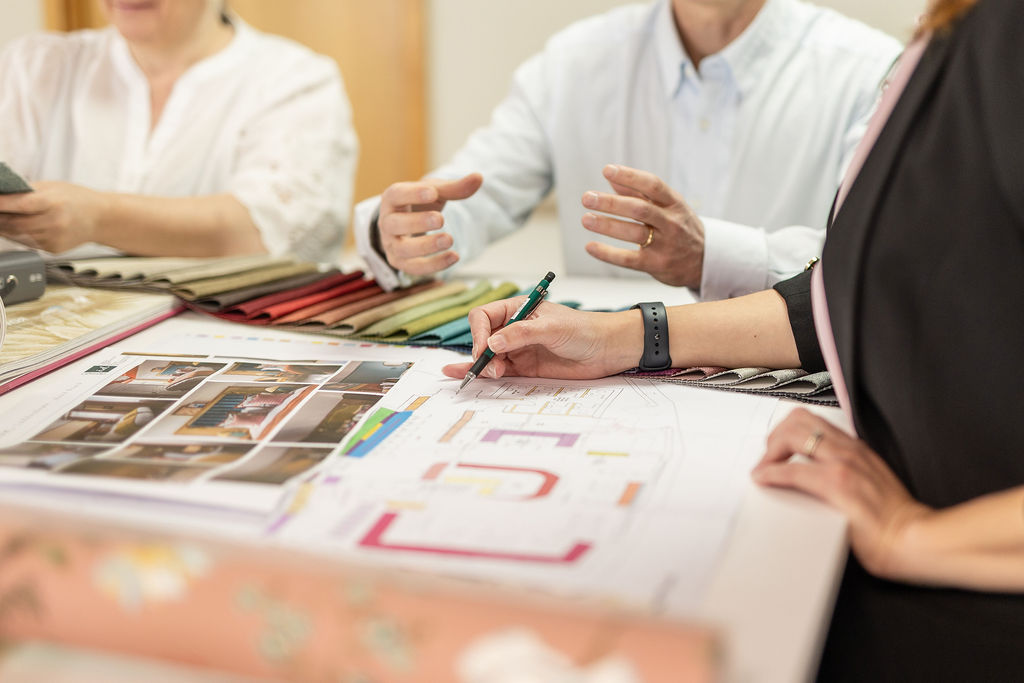
Our role as designers gives us an opportunity to influence many of the decisions that ultimately shape an interior. That can begin with the overall design concept and extend through materials, finishes, furniture, lighting, fixtures and specialist products.
B Corp strengthens our focus on understanding those choices more fully. We increasingly look beyond appearance and initial cost to consider questions around responsible sourcing, supplier credentials, durability, longevity, maintainability, potential for reuse and the environmental characteristics of the products and materials being proposed.
For clients, this provides greater transparency and reassurance, particularly where sustainability, responsible procurement or wider ESG objectives form an important part of the brief.
Ultimately, our aim is to create exceptional interiors while helping our clients make better-informed decisions about their wider impact.
Supporting our clients’ sustainability ambitions
Increasingly, sustainability forms part of the conversations we have with clients from the earliest stages of a project.
Some organisations have established ESG strategies, responsible procurement policies or environmental targets. Others simply want to understand how more responsible choices can be incorporated without compromising the creative, operational or commercial objectives of their project.
Our role is to help translate those ambitions into practical design decisions. Depending on the brief, this might include exploring alternative materials, considering products with recognised environmental credentials, identifying opportunities for retention or reuse, questioning the expected lifespan of specifications or providing clearer information about the suppliers and products being proposed.
We do not believe responsible design should sit separately from good design. Our ambition is for it to become increasingly integrated into the way we think, question, specify and create.
Responsible specification
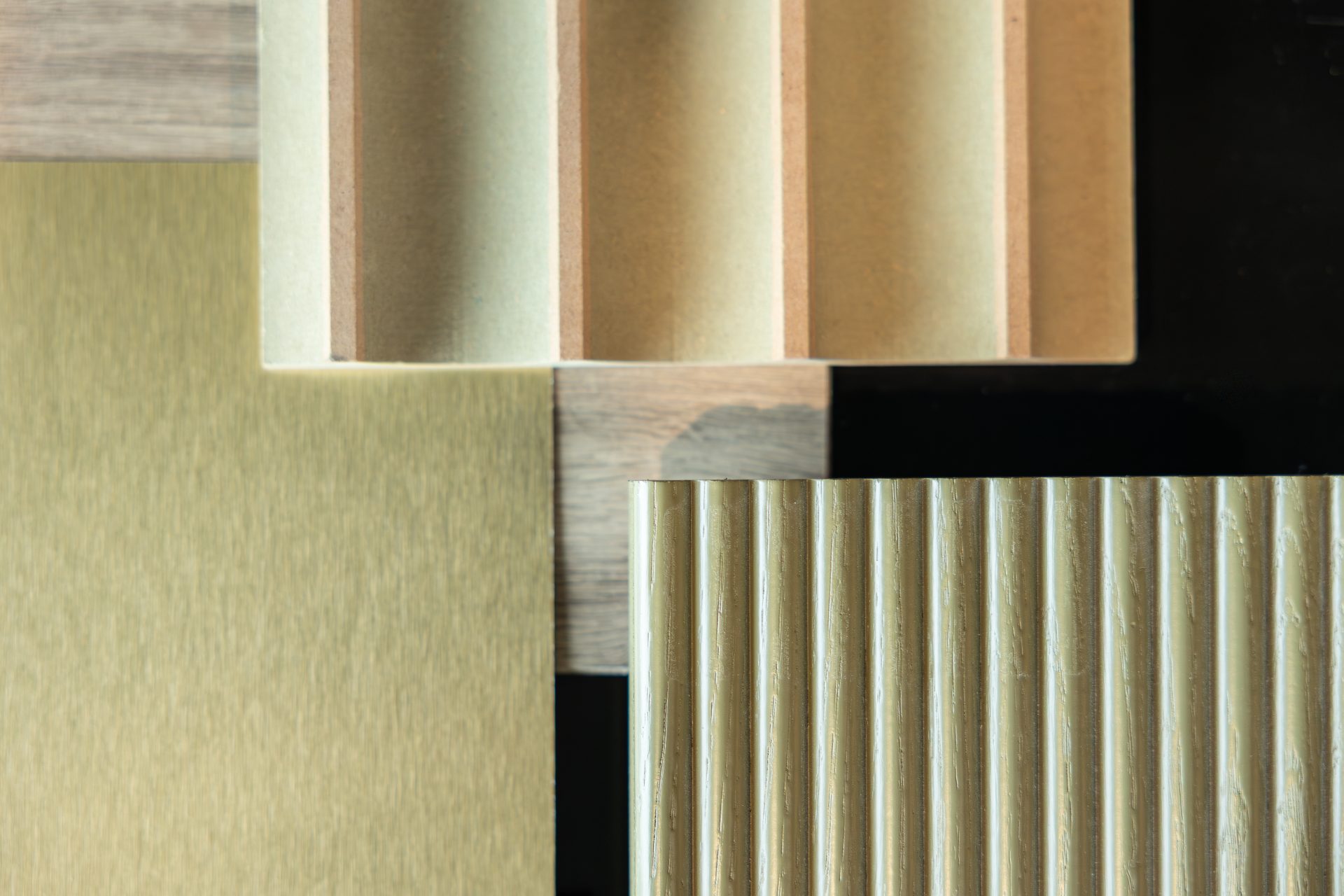
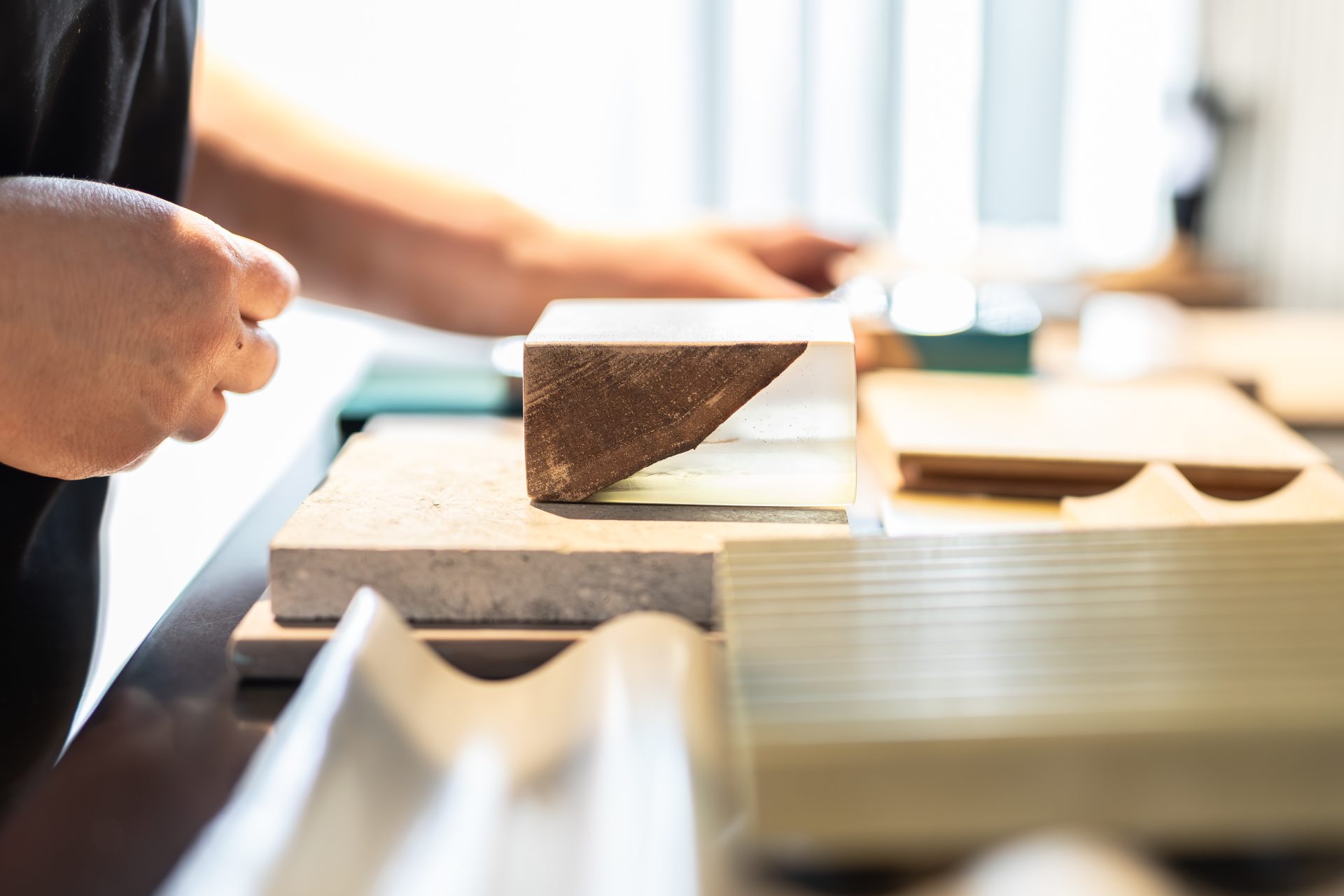
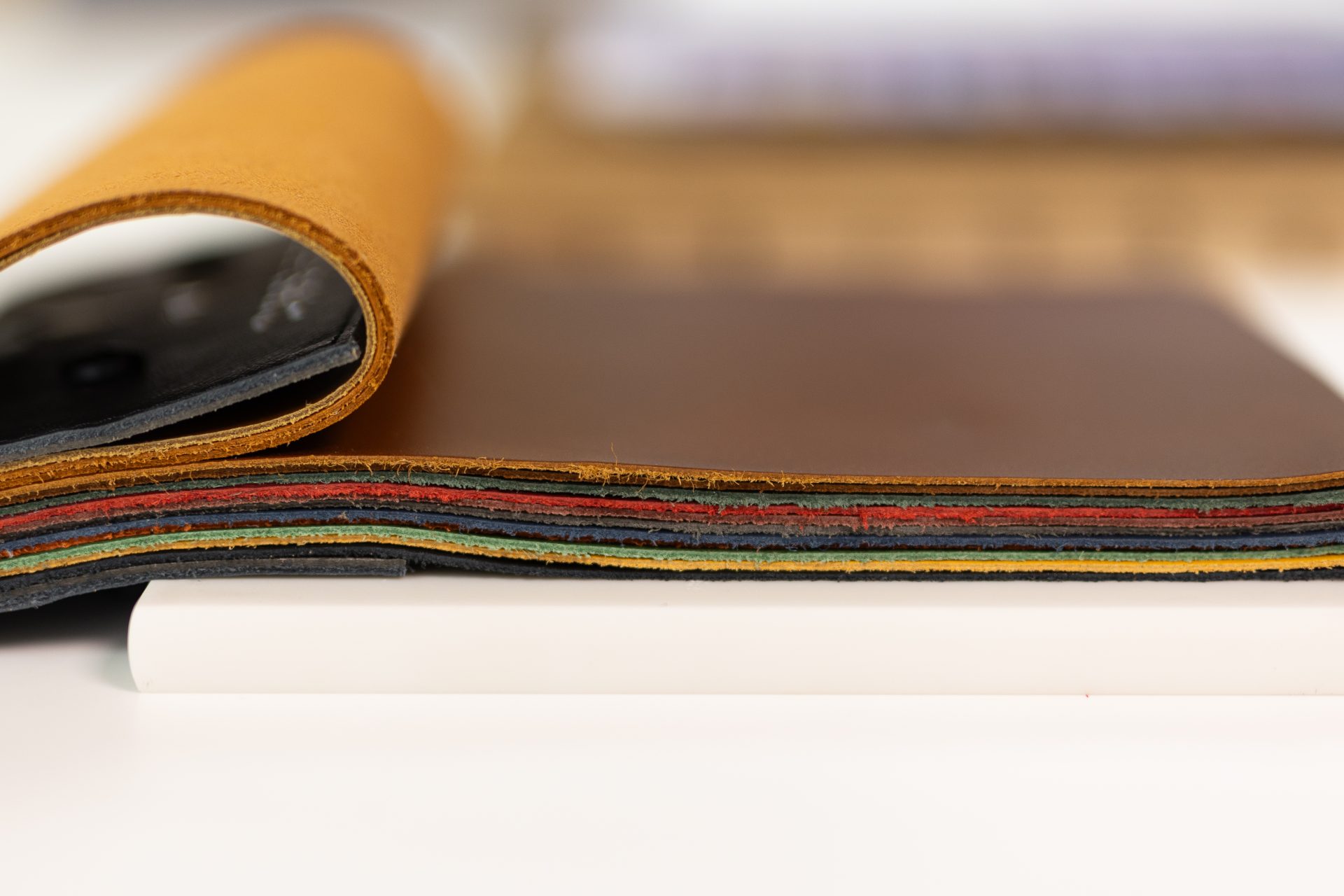
Specification is one of the most significant ways in which an interior designer can influence the impact of a project. Every material and product has a story behind it: how it was made, what it contains, where it came from, how far it travelled, how long it is expected to last and what might happen to it at the end of its useful life.
We therefore want responsible specification to become an increasingly natural part of our design process. Where appropriate, that means considering factors such as:
- Responsible and traceable sourcing
- Recognised environmental credentials and certifications
- Material composition and manufacturing processes
- Durability and expected lifespan
- Repairability and maintainability
- Opportunities for reuse or repurposing
- Indoor environmental considerations
- Waste and end-of-life options
- Supplier environmental and social commitments
It does not mean that one consideration automatically determines a specification. Design quality, functionality, performance, availability, cost and programme all remain important. Our role is to bring these considerations together so clients can make informed decisions based on the requirements and priorities of their project.

B Corp™: Danielle Bennett, our ESG Manager, explains why B Corp certification has been a priority initiative for Design ID.
Looking more closely at our supply chain
Responsible design also requires us to understand more about the businesses behind the products we specify.
B Corp encourages us to look more deeply into our supply chain, asking questions about where products and materials originate, how they are manufactured and the environmental credentials, policies and accreditations of the suppliers producing them.
Over time, this helps us build greater knowledge within the studio and identify manufacturers and suppliers whose products and practices can support the responsible design ambitions of our clients. It also enables us to have more informed conversations with clients where particular sustainability standards, responsible sourcing policies or ESG requirements need to be considered.
Greater visibility supports better decision-making.
Designing for longevity
One of the most effective ways to reduce the long-term impact of an interior is to create spaces, products and specifications that remain relevant and perform well for longer.
That makes longevity an important part of responsible design. Alongside aesthetics, we consider how materials will perform in use, how easily elements can be maintained or replaced and how an interior may need to adapt as the requirements of its occupants change.
This is particularly important within commercial and hospitality environments, where interiors can experience intensive use and unnecessarily short replacement cycles can create significant material consumption and waste.
Good design should not simply look right when a project opens. It should continue working for the people using it for years to come.
Collaboration across Bramling Workshops
Being part of Bramling Workshops also creates opportunities to consider responsible design beyond the drawing board. Working alongside the wider capabilities within the group gives us valuable insight into how design decisions translate into procurement, manufacture, construction and ultimately the completed interior.
That connection can encourage earlier conversations about materials, buildability, waste, durability and alternative solutions, helping responsible thinking continue from initial concept through to delivery.
It is another way in which collaboration can help turn good intentions into practical outcomes.
Accountability and continuous improvement
Perhaps one of the most important aspects of B Corp for Design ID is the emphasis it places on continuous improvement. Responsible design is evolving quickly. New materials are emerging, environmental information is improving and expectations around transparency, sourcing and product performance continue to develop.
We will not always have every answer. What matters is creating a culture in which our team keeps asking questions, improving its knowledge and using better information to inform future decisions. B Corp gives us a framework for doing that with greater structure and accountability.
For Design ID, certification therefore represents much more than a badge. It strengthens our commitment to continue learning, challenging established approaches and finding better ways to create exceptional interiors, responsibly.