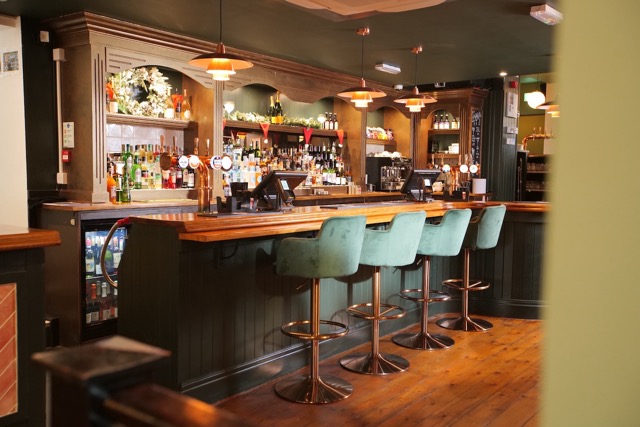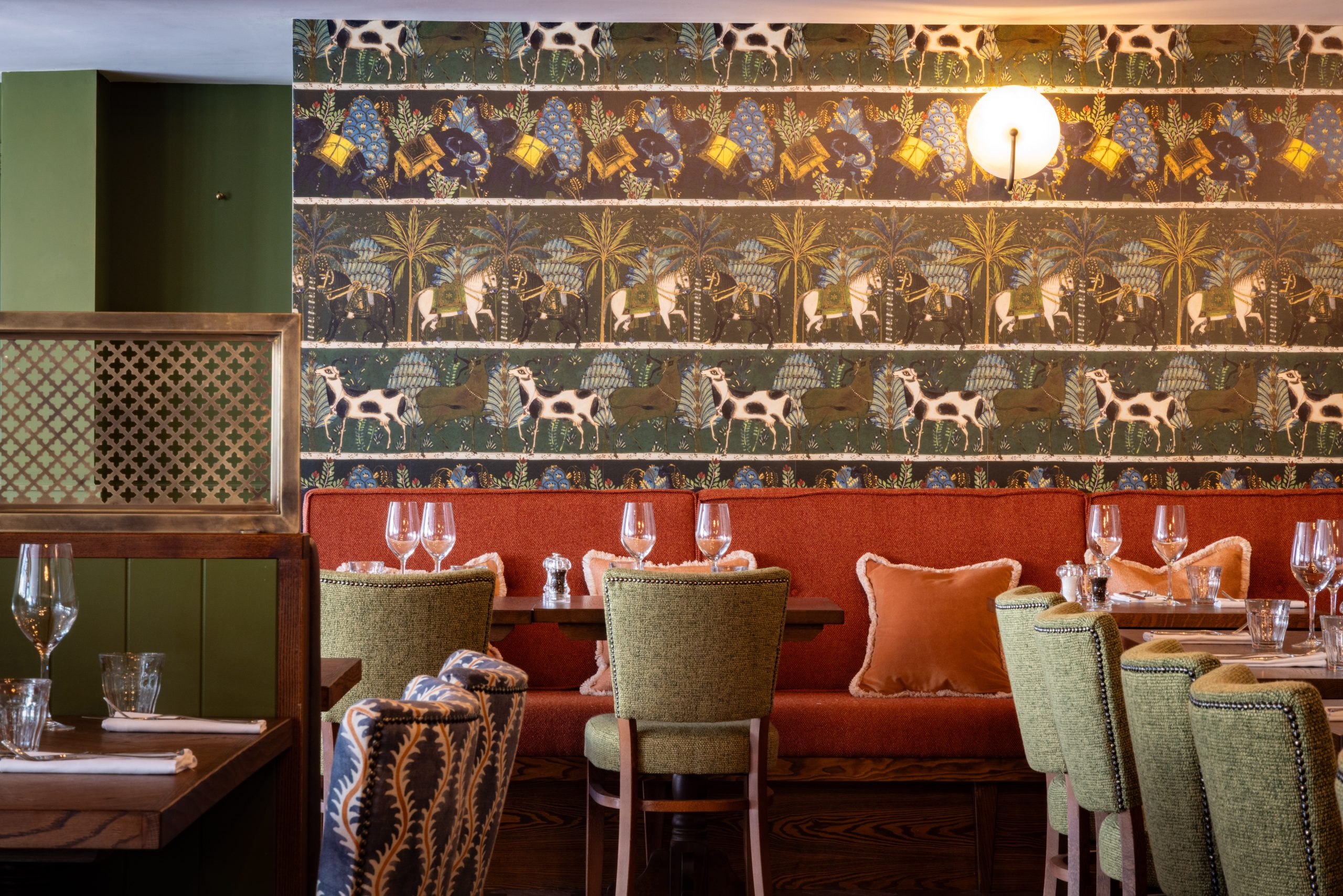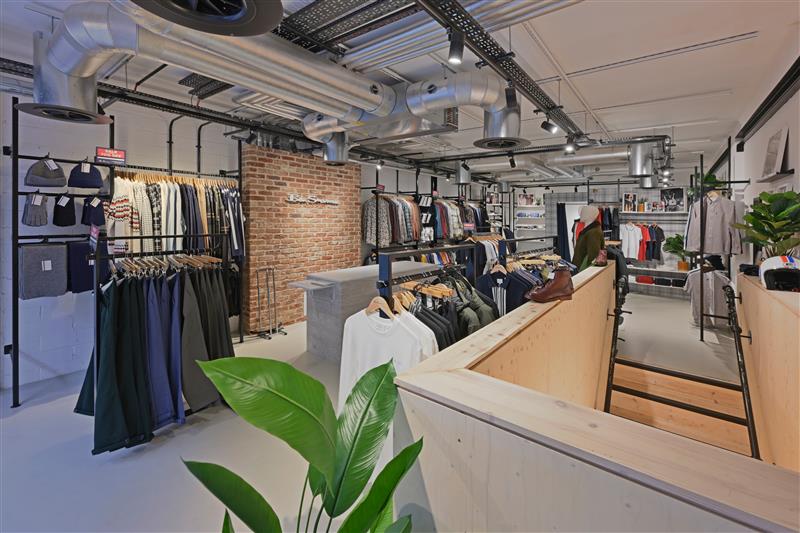
We take the time, bringing thoughtfulness, versatile thinking and spatial strategies, to prioritise delivering enduring environments that support the planet and the communities being served.
Our journey
Responsibility is not a statement we make; it is a journey we are actively on.
Responsibility is not always driven by policy, reporting frameworks or a need to satisfy paperwork. For many of our clients, it is far more personal – a reflection of their values, the legacy they want to create, the communities they serve or simply a desire to make better decisions for the future. We understand that and work with the same care and seriousness, helping translate that intent into spaces that feel authentic, commercially effective and responsibly realised.
We recognise that sustainable design is complex, evolving and commercially nuanced. There is no single solution, and we are transparent about that. Instead of prescribing trends, we present our clients with informed choices, balancing environmental performance, longevity, material integrity and commercial viability.
Our role is to enable responsible decisions, and over time, our thinking has evolved from compliance-led sustainability to lifecycle-led responsibility. We prioritise enduring design, specifying materials and spatial strategies that reduce replacement cycles, support operational efficiency and minimise waste. Where possible, we favour locally sourced materials, low-impact finishes and adaptive to deliver measurable value for people, places and planet.
Our responsibility committments
We believe responsible design is about making better decisions at every stage – for the people who use a space, the places it belongs to and the wider planet it impacts.
Our commitments guide how we think, specify and collaborate, helping clients align commercial performance with long-term social and environmental value:
Our responsibility commitments
We believe responsible design is about making better decisions at every stage – for the people who use a space, the places it belongs to and the wider planet it impacts.
Our commitments guide how we think, specify and collaborate, helping clients align commercial performance with long-term social and environmental value:
To people
We design around people first – from the ambitions of our clients to the experiences of the teams, guests, customers and communities who interact with a space every day.
Client needs
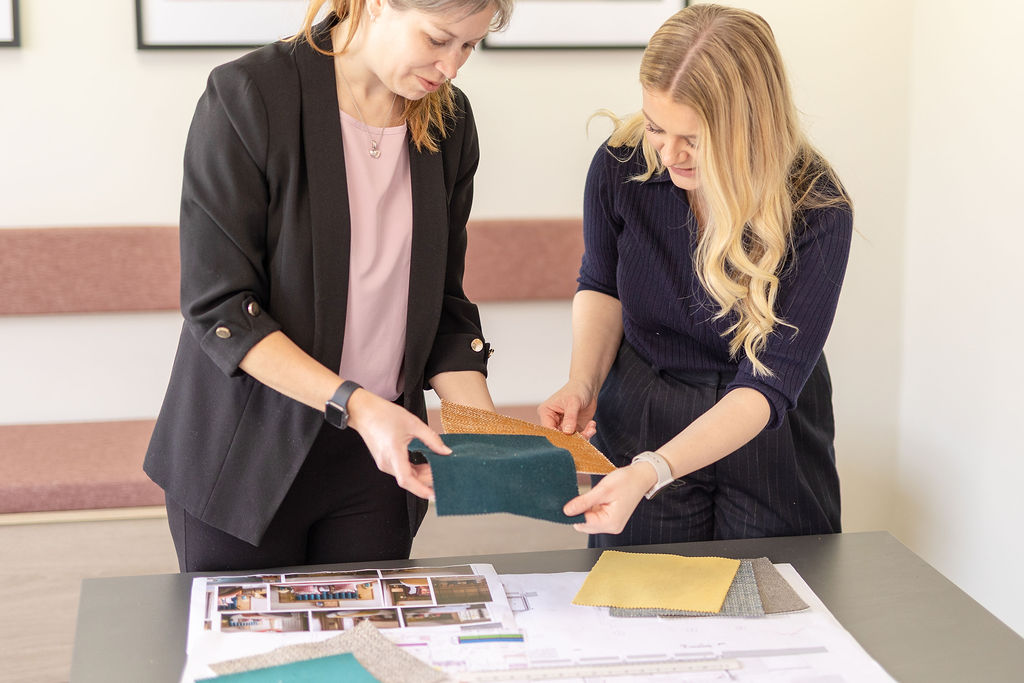
Every project begins with listening. We take time to understand operational realities, commercial objectives and brand ambitions so responsibility supports performance rather than compromises it. Our role is to create spaces that work harder, last longer and deliver measurable value.
Users & stakeholders
Responsible environments must serve everyone they touch. We consider customer flow, accessibility, staff wellbeing, operational efficiency and stakeholder priorities to ensure spaces are intuitive, inclusive and genuinely supportive of those using them.
Responsible business
We believe responsible design starts with responsible practice. Through transparent collaboration, considered sourcing and close coordination with trusted partners, we work to uphold high standards across governance, ethics and supply chain stewardship.
Neighbours
Every project sits within a wider social fabric. We remain mindful of neighbouring occupiers, nearby businesses and surrounding communities, ensuring design decisions respect local sensitivities, minimise disruption and contribute positively to the immediate environment.
To places
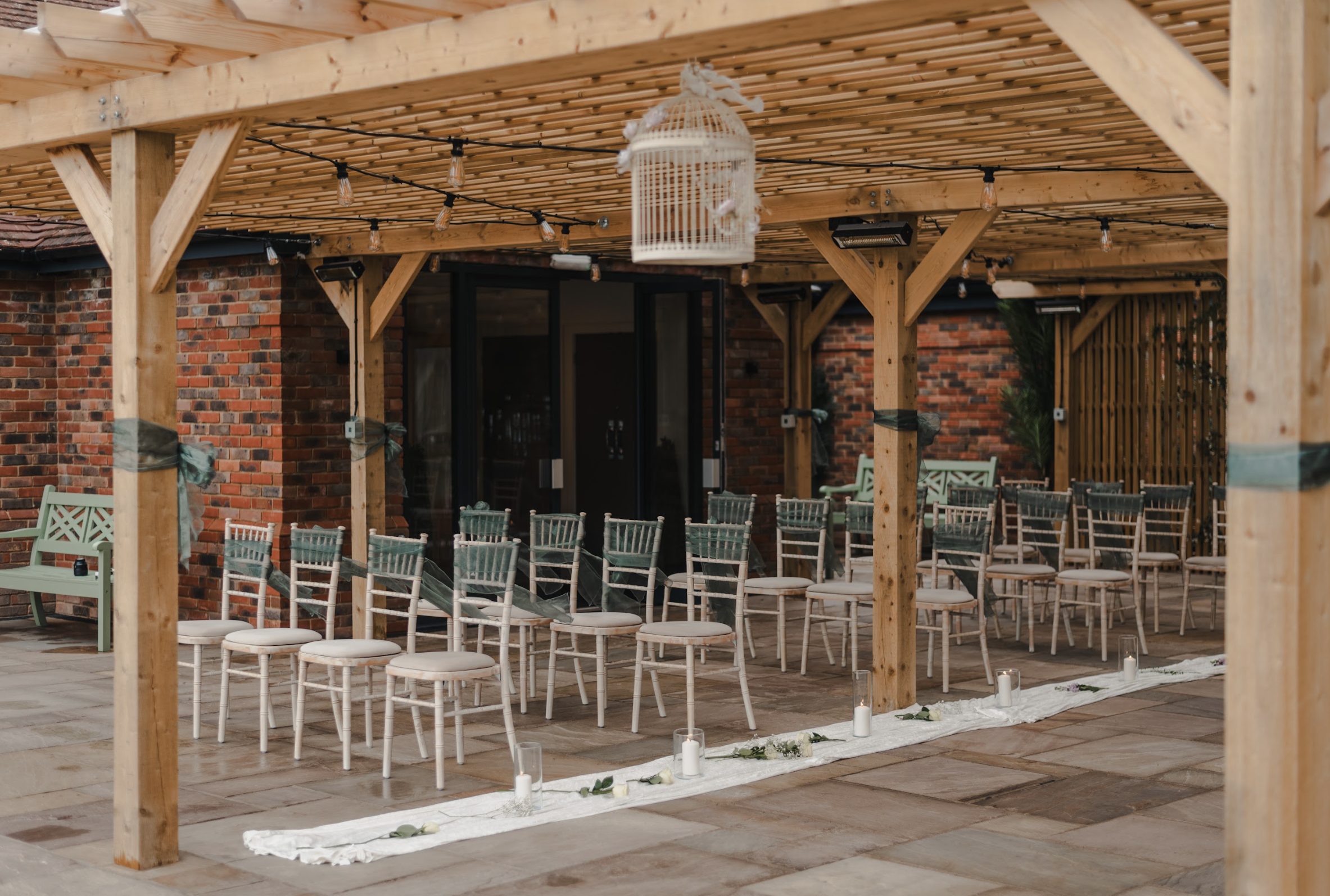
Great design should belong to its setting. We create environments that respond thoughtfully to their architectural, cultural and community context while supporting long-term wellbeing and relevance.
Wellness
Well-designed spaces support how people feel as much as how they function. We prioritise light, comfort, acoustics, flow and materiality to create environments that promote wellbeing, ease and positive human experience.
Slow architecture
We believe the most successful spaces are those that feel rooted, relevant and built to age well. We respond to the existing building, its character and operational purpose, ensuring new interventions feel integrated rather than imposed.
Local environment
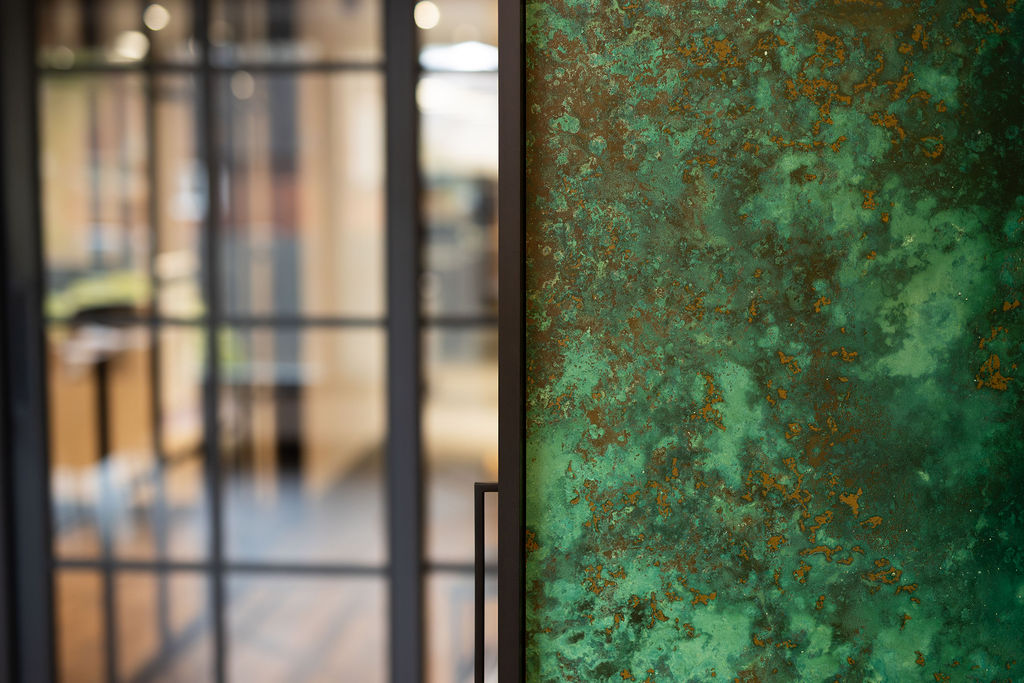
From material palettes to spatial relationships, we consider the immediate setting and environmental conditions to ensure the design sits naturally within its surroundings.
Culture
Spaces should reflect the identity and behaviours of the people they serve. We draw on local stories, sector understanding and brand character to create environments with authenticity and meaning.
Community
Where appropriate, we seek opportunities for spaces to connect with the communities around them, creating places that feel welcoming, relevant and socially valuable.
Enduring design
Longevity is central to responsible design. We prioritise layouts, finishes and detailing that can adapt over time, reducing the need for premature replacement and supporting better lifecycle value.
To planet
Our environmental commitments focus on practical specification choices that improve performance, reduce impact and support healthier spaces.
Low V.O.C. materials
We prioritise low V.O.C. paints, finishes, adhesives and materials wherever possible to help improve indoor air quality and create healthier interior environments.
Healthy buildings
Environmental responsibility and human health are closely linked. Through better materials, improved air quality, thoughtful lighting and durable finishes, we help create spaces that support healthier day-to-day use.
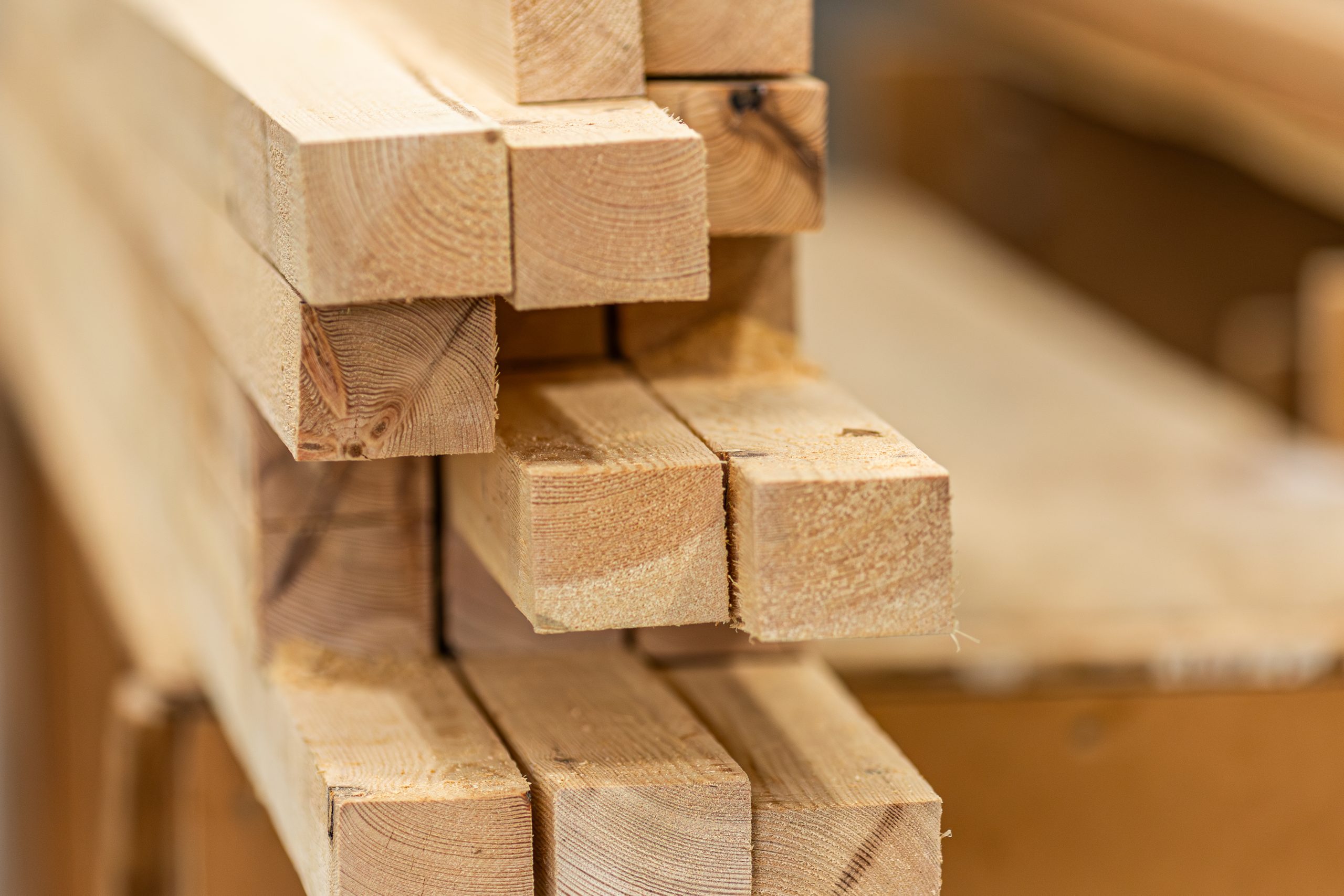
Responsibly sourced timber
Where timber is specified, where we can control, we prioritise FSC-certified and responsibly sourced options, helping ensure traceability, forest stewardship and long-term material integrity.