What does sustainability in interior design really mean today?
What does it actually mean to design responsibly?
The answer for Design ID is less about perfection and more about perspective.
It starts with people, not policy
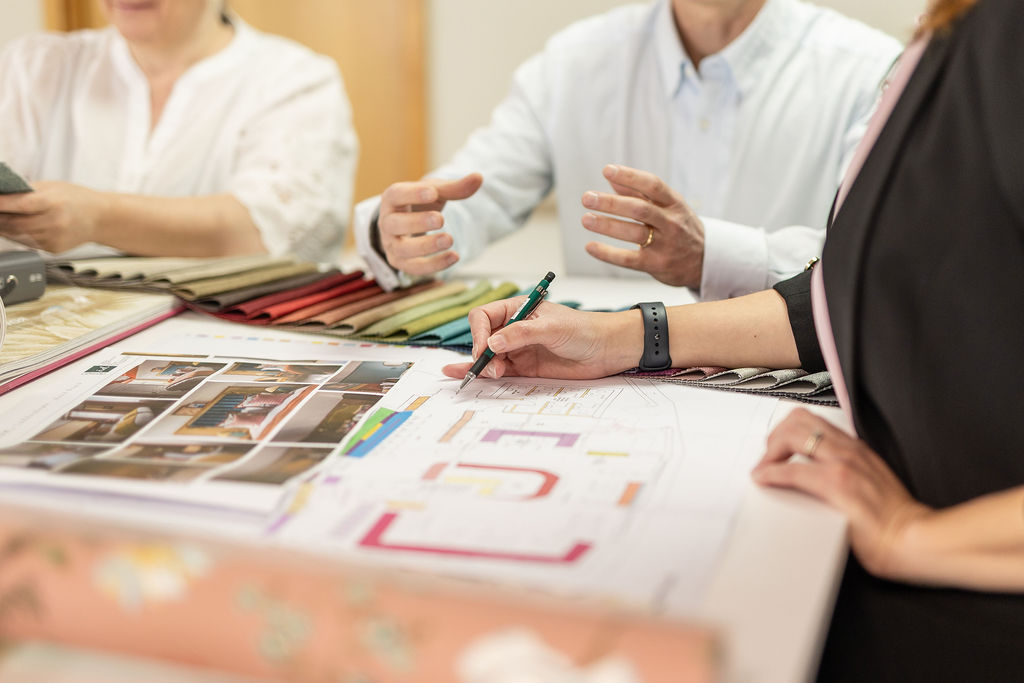
For some, responsibility is driven by targets, certifications or reporting frameworks. But in reality, the most meaningful projects often begin somewhere quieter – with a conversation.
- A client who wants to create a healthier workplace.
- A brand thinking about its long-term impact.
- A business owner considering the legacy they leave behind.
These motivations don’t always come with a checklist – but they carry intent. And good design knows how to translate that intent into something tangible.
Responsible interior design, at its core, is about listening carefully and responding thoughtfully – creating spaces that look right, feel right and work harder over time.
There’s no single “sustainable” solution
One of the biggest misconceptions about sustainable interior design is that there’s a fixed formula. Every space, building and business comes with its own set of constraints and opportunities.
- A material that performs well in one setting may not suit another.
- A low-impact option might conflict with durability.
- A bold design idea might need balancing with long-term flexibility.
Rather than chasing trends, responsible design is about making informed trade-offs – weighing environmental impact alongside cost, longevity and performance.
It’s a more honest, transparent way of working. And ultimately, a more effective one.
Designing for the long term
If there’s one shift redefining commercial interiors, it’s the move from short-term thinking to lifecycle thinking.
Instead of asking “What looks good now?”, the question becomes:
“What will still work in five, ten or even fifteen years?”
This is where responsibility and sustainability becomes practical.
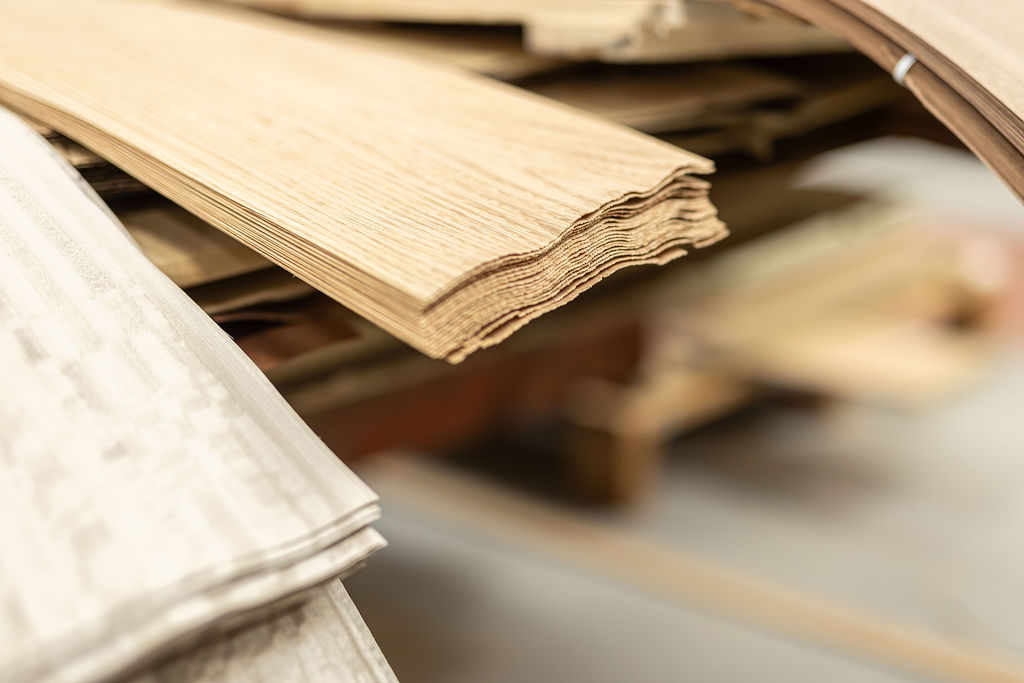
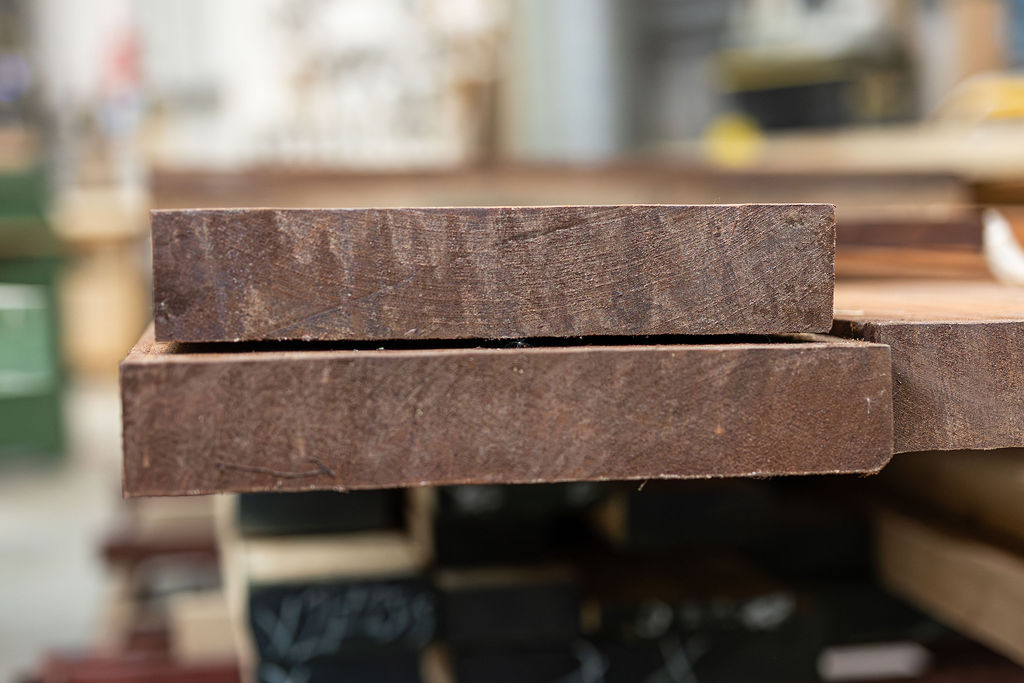
- Choosing materials that age well instead of needing frequent replacement
- Designing layouts that can adapt as businesses evolve
- Reducing waste by avoiding unnecessary strip-outs and refurbishments
Sometimes, the most sustainable decision is the one that avoids having to redo the work altogether.
The space around the space
Every interior sits within a wider context – a building, a street, a neighbourhood, a community. The way a space is designed can influence how it connects with all of these layers.
That might mean:
- Being mindful of neighbouring businesses during construction
- Reflecting local culture and identity in subtle, meaningful ways
- Creating environments that feel welcoming, not exclusive
Health, materials and everyday experience
There’s also a growing awareness that sustainability and wellbeing are closely linked.
- The materials used in a space affect air quality.
- Lighting impacts mood and productivity.
- Acoustics influence how comfortable a space feels over time.
Simple decisions – like using low-VOC finishes or improving natural light – can have a lasting effect on how people experience a space every day.
In that sense, responsible design isn’t only about reducing environmental impact. It’s also about creating healthier, more considered environments for the people who use them.
Progress over perfection
Perhaps the most important thing to understand about sustainability is that it’s not a fixed destination.
Materials improve. Technologies evolve. Expectations shift.
What matters is not getting everything right first time, but staying open, informed and willing to improve.
Responsibility, in this context, becomes an ongoing process:
- Asking better questions
- Making more informed decisions
- Being transparent about trade-offs
- Learning with every project
Why it matters more than ever
Commercial interiors are often fast-paced, brand-driven and performance-focused. But they also represent an opportunity — to influence behaviour, reduce impact and create spaces that genuinely support people.
Responsible interior design can strengthen the creativity or commercial success of a space. The most successful spaces today aren’t just visually compelling – they are thoughtful, adaptable and built with a clear sense of purpose.
A different way of thinking about design
At Design ID, sustainability is approached as a practical, design-led process rather than a fixed checklist. Working closely with clients, the studio translates individual values and ambitions into considered spatial strategies, balancing environmental performance with commercial reality.
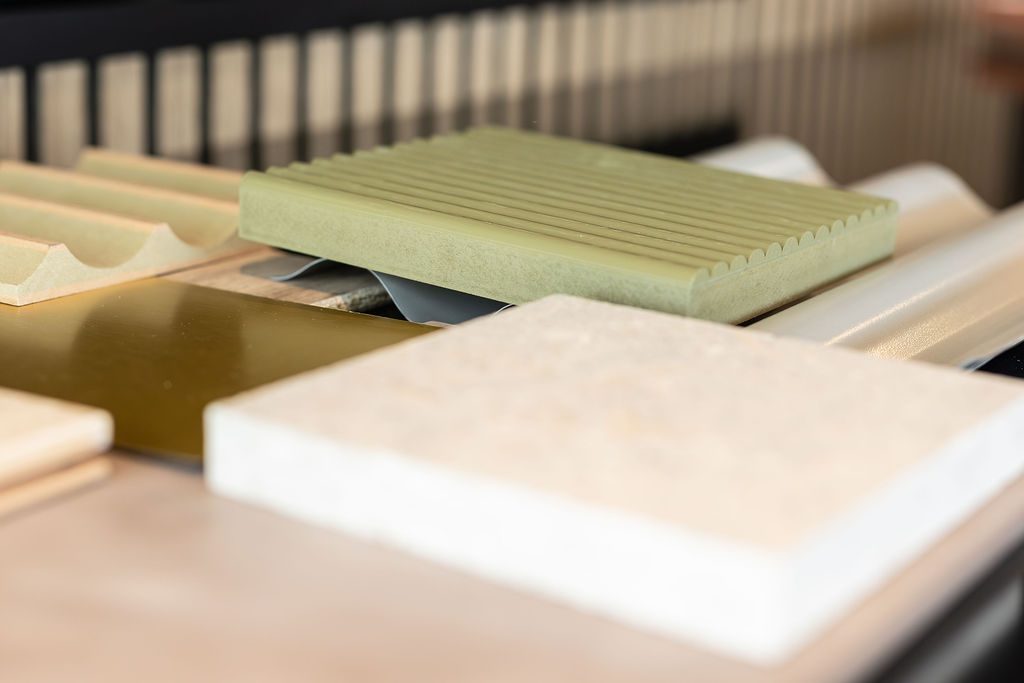
This includes prioritising lifecycle-led design to reduce replacement cycles, specifying low-VOC and responsibly sourced materials where possible, and creating adaptable spaces that can evolve over time.
With a strong focus on wellbeing, material integrity and long-term value, Design ID’s role is to present clear, informed choices – enabling responsible decisions that result in interiors which are not only visually compelling, but enduring, efficient and better for both people and planet.