The future of commercial interior design: Creating flexible office spaces that work harder
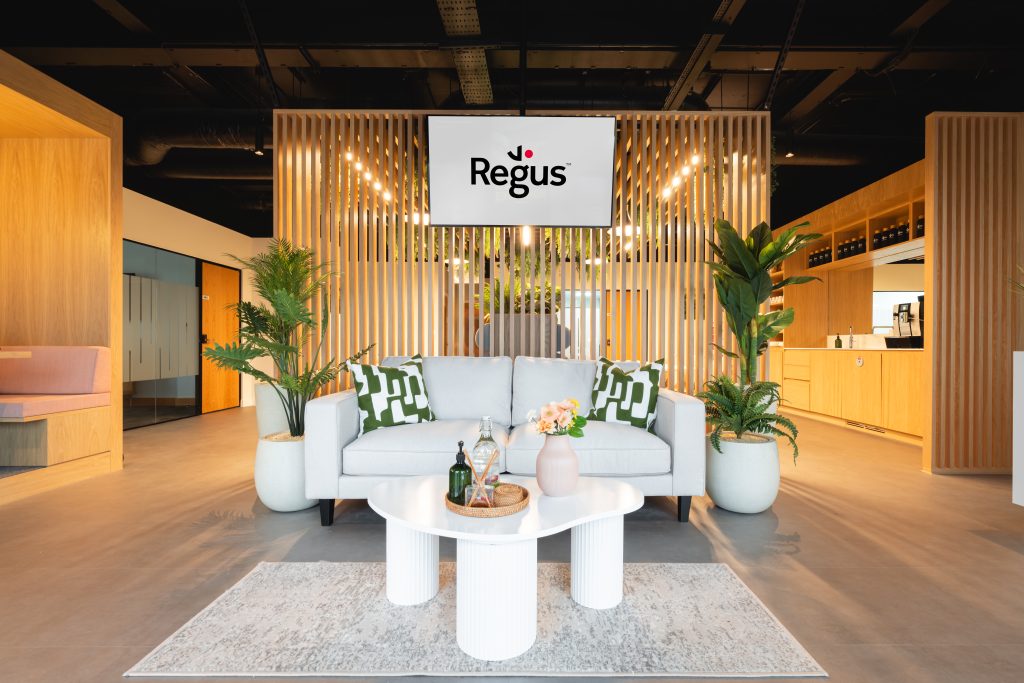
In today’s competitive landscape, flexibility is at the heart of effective interior design for commercial environments. Hybrid working, fluctuating team sizes and evolving operational needs require spaces that can adapt quickly.
Design ID’s forward-thinking commercial interior design will prioritise:
- Agile layouts that support multiple work styles
- Scalable solutions for growing teams
- Efficient use of commercial building interior design space
- Environments that can be reconfigured with minimal disruption
This shift ensures that every square metre contributes to productivity and performance.
Designing Commercial Design Interiors That Adapt and Perform
Modern commercial design interiors are no longer static. Instead, they are designed as flexible ecosystems that evolve with the organisation.
Modular and multi-functional spaces
As a leading commercial interior design studio, we can recommend modular furniture systems and multi-use layouts that allow spaces to transition seamlessly between collaboration, focused work and client-facing functions.
Examples include:
- Meeting rooms that convert into training spaces
- Breakout zones that double as informal presentation areas
- Hot-desking environments that scale with demand
- Smart Space Planning
Effective interior design strategies should focus heavily on space optimisation. By analysing workflow patterns and usage data, we can create layouts that reduce wasted space while improving efficiency and employee experience.
The role of technology in commercial interior design services
Technology is now a key driver in modern commercial interior design services, enabling smarter and more responsive workplaces.
Key innovations include:
- Desk and room booking systems
- Occupancy tracking sensors
- Integrated AV solutions for hybrid meetings
- Automated lighting and climate control
These systems not only enhance usability but also allow businesses to make data-driven decisions about their commercial building interior design strategy.
Human-centred design in commercial interior design agency work
A successful commercial interior design plan puts people at the centre of every workspace. Productivity, creativity and wellbeing are directly influenced by the environment.
Modern workplace strategies focus on:
- Biophilic design elements such as greenery and natural materials
- Access to quiet zones and collaborative spaces
- Improved acoustic control in open-plan environments
- Comfortable, flexible furniture solutions
This approach ensures that commercial design interiors support both performance and employee satisfaction.
Sustainability in commercial building interior design
Sustainability is now a core consideration in commercial building interior design. Businesses are increasingly expected to reduce environmental impact while improving efficiency.
A responsible commercial interior design company will integrate:
- Reusable and modular materials
- Energy-efficient lighting and systems
- Long-life furniture and finishes
- Space-efficient layouts that reduce footprint
Sustainable commercial interior design is not just environmentally responsible – it also reduces long-term operational costs.
Branding and identity in commercial design interiors
While flexibility is essential, commercial design interiors must still reflect brand identity and company culture. Design ID ensure consistency by incorporate branding through:
- Thoughtful use of colour and materials
- Bespoke joinery and feature walls
- Subtle storytelling elements within the space
- Layouts that reflect company values such as transparency or innovation
This ensures the workplace is both functional and emotionally engaging.
The strategic role of a commercial interior design consultant
A commercial interior design consultant plays a crucial role in aligning workplace design with business strategy. Rather than focusing solely on aesthetics, we evaluate how space can actively support organisational goals.
Key contributions include:
- Workspace optimisation and planning
- Alignment of design with business performance metrics
- Guidance on future-proofing commercial environments
This strategic approach ensures that investment in commercial interior design services delivers long-term value.
Future trends in commercial interior design
The future of commercial interior design is being shaped by several key trends:
1. Activity-based working
Employees choose environments based on tasks rather than assigned desks.
2. Hybrid-ready workspaces
Offices designed to seamlessly support remote and in-person collaboration.
3. Hospitality-inspired design
Workplaces influenced by hotels and co-working environments, prioritising comfort and experience.
4. Adaptive commercial interiors
Spaces designed to evolve without major structural changes, extending the lifecycle of commercial building interior design investments.
Designing workspaces that work harder
The evolution of commercial interior design reflects a broader shift in how businesses operate. Offices are no longer static spaces – they are dynamic environments that must support productivity, wellbeing and adaptability.
Have an office design in mind? Get in touch today.