Sustainable school building interior design for future-focused education
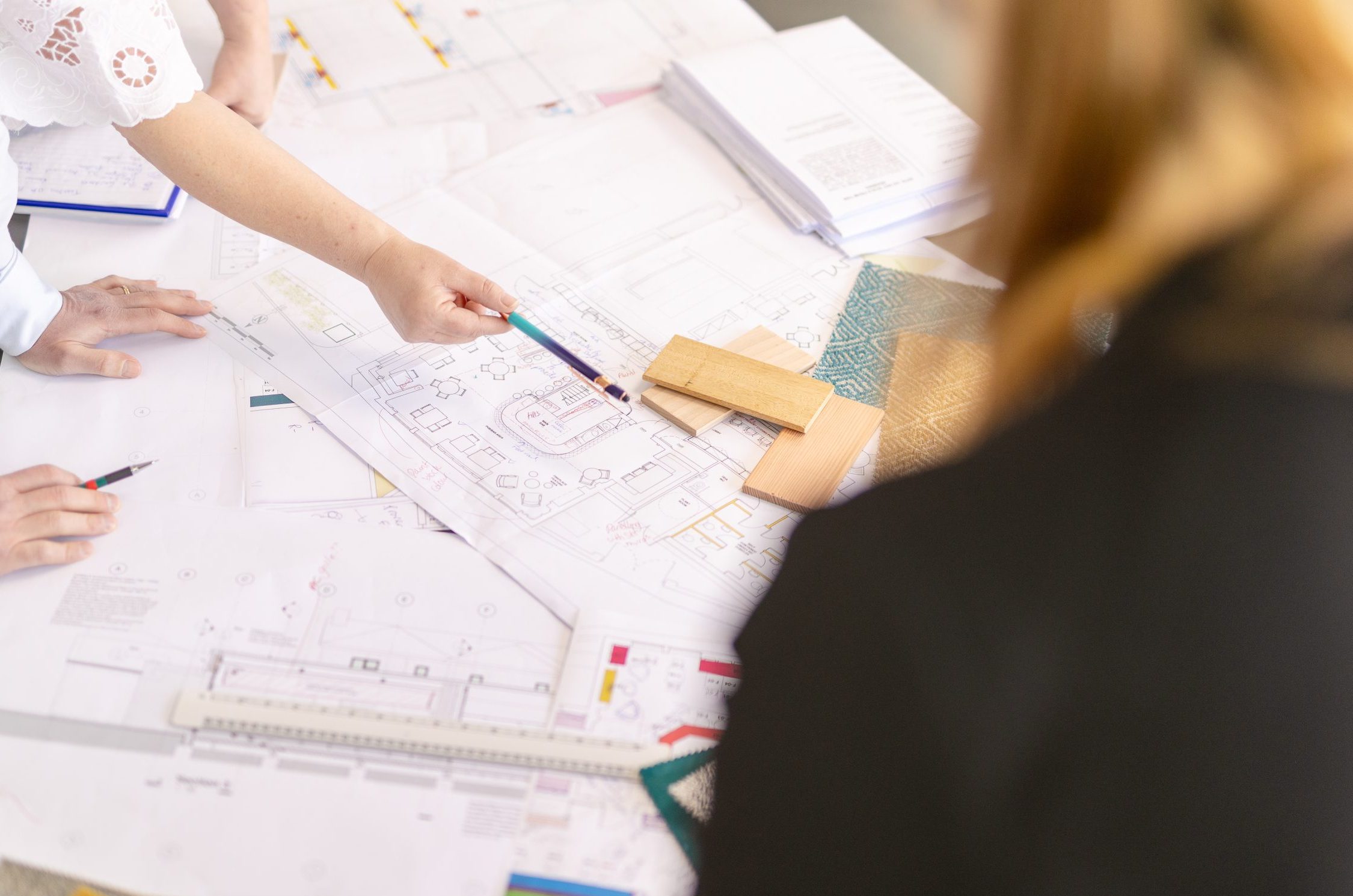
Sustainability is no longer an optional consideration in school building interior design – it is a core requirement for future-focused education environments. Schools today are expected to reduce environmental impact, improve long-term value and create healthier spaces that actively support learning, wellbeing and evolving teaching pedagogy.
At the same time, modern educational interior design must deliver flexibility, durability and inspiration across classrooms, libraries, dining spaces and staff areas. Sustainable thinking sits at the centre of this balance.
At Design ID, we create school interior design solutions that combine responsible material choices with high-performance, people-centred environments built for long-term use.
What does sustainable school interior design really mean?
Sustainable interior design for school buildings goes far beyond recycled materials. It is about designing spaces that are:
- Built to last in high-use environments
- Flexible enough to adapt over time
- Efficient to maintain and operate
- Designed to reduce waste across their lifecycle
In practice, this means making smarter decisions at every stage of school interior design, from layout planning to material specification and refurbishment strategies. It also means aligning spaces with pedagogy, ensuring environments remain relevant as teaching approaches evolve.
Designing for longevity, not replacement
One of the most effective principles in sustainable school building interior design is longevity. Education environments are used intensively every day, so durability is essential.
A strong approach to classroom interior design and wider school spaces focuses on:
- Hard-wearing, low-maintenance finishes
- Flexible furniture systems that can be reconfigured
- Timeless design concepts that don’t rely on trends
- Robust detailing that withstands daily use
By prioritising durability, schools reduce the need for frequent refurbishment and replacement cycles, while also supporting consistent learning environments that enable focus and metacognition over time.
Reuse, refurbishment and smarter space planning
Sustainability in educational interior design is increasingly about working with what already exists.
Where possible, successful projects explore:
- Retaining and repurposing existing furniture and fixtures
- Reconfiguring layouts instead of rebuilding
- Upgrading key touchpoints rather than full replacements
- Phased refurbishment to reduce disruption
This approach not only reduces waste but also improves value for money across the lifecycle of the building. Careful planning of spatial adjacencies also ensures that reconfigured spaces continue to function effectively within the wider school environment.
Creating flexible learning environments that adapt over time
Future-focused education requires spaces that can evolve. A key part of modern classroom layout thinking is designing for change from the outset.
This includes principles such as:
- Multi-use spaces that support different teaching styles
- Flexible classroom design that adapts to group or individual learning
- Moveable furniture and modular layouts
- Spaces that can shift between teaching, collaboration, and social use
Flexibility ensures that school interior design remains relevant as pedagogy and technology continue to evolve. It also supports metacognition by giving students greater control over how and where they learn.
Responsible materials in school interior design
Material selection plays a critical role in sustainable school building interior design. Schools require finishes that are not only environmentally responsible but also practical and durable.
Key priorities include:
- Responsibly sourced materials
- Low-maintenance finishes
- High durability for heavy daily use
- Materials that support healthy indoor environments
This ensures that sustainability aligns with performance, safety and wellbeing, while supporting consistent, high-quality learning environments.
Supporting wellbeing through sustainable design
Sustainability is closely linked to wellbeing in educational interior design. The quality of the indoor environment directly impacts how students and staff feel and perform.
Well-designed school interior design can improve:
- Comfort through better lighting and acoustics
- Focus through calm, well-planned environments
- Inclusivity through accessible and adaptable spaces
- Overall experience across classrooms and shared areas
These environments can also support metacognition, providing students with spaces that encourage reflection, focus and self-directed learning.
A whole-school approach to sustainable design
Sustainability should not be limited to individual classrooms. A successful school building interior design strategy considers the entire environment, including:
- Flexible classroom design and learning spaces
- Libraries and study zones
- School canteen design and dining areas
- Staff and support spaces
Strong adjacencies between these areas help create a cohesive, efficient and easy-to-navigate environment, supporting both operational performance and the overall learning experience.
How Design ID approaches sustainable school interior design
At Design ID, we specialise in interior design for school buildings that combines sustainability, functionality, and long-term performance.
With over 20 years of experience in educational interior design, we understand how to create spaces that are both inspiring and responsible. Our approach focuses on delivering school interior design that:
- Reduces environmental impact through smarter material choices
- Extends building and furniture lifecycles
- Supports flexible, future-ready learning
- Enhances wellbeing and daily experience
As a specialist education interior design company, we also consider how spaces are built and delivered – ensuring sustainability is embedded from concept through to completion. Our work is informed by pedagogy, with careful attention to adjacencies and the creation of environments that support metacognition and long-term learning success.
Designing schools for the future
Sustainable school building interior design is ultimately about creating environments that last – physically, functionally, and emotionally.
By combining flexibility, durability, and responsible material choices, schools can create spaces that support modern pedagogy today while adapting to the needs of tomorrow. Thoughtful adjacencies and an understanding of metacognition further ensure that these environments remain effective and meaningful over time.
At Design ID, we create educational interior design solutions that help schools build better environments for students, staff and future generations.