Strategic interior design for hospitality brands: From concept to guest journey
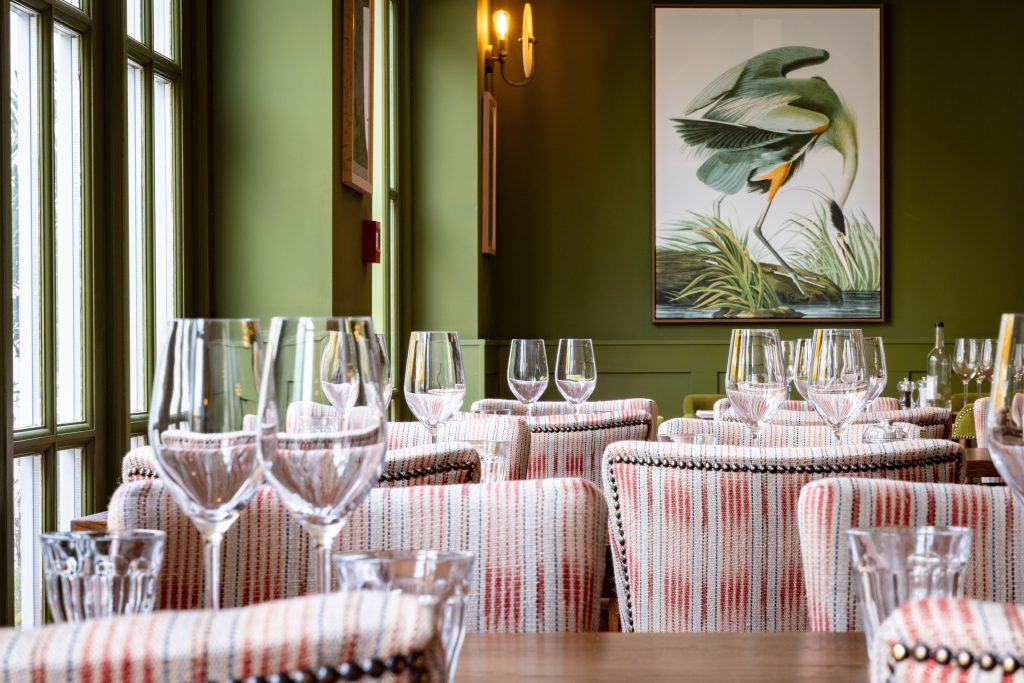
In today’s competitive hospitality landscape, design is no longer just about creating a beautiful space. It’s about building a cohesive experience that connects with guests at every touchpoint. Strategic restaurant interior design goes beyond aesthetics – it aligns brand identity, functionality and customer experience into one seamless journey.
For hospitality brands, thoughtful restaurant interior design can be the difference between a one-time visit and long-term loyalty – whether it’s a restaurant, bar or even a pub interior design project.
Starting with a clear concept
Every successful hospitality space begins with a strong, well-defined concept. This is the foundation that guides every design decision, from materials and colours to layout and lighting.
A clear concept should reflect:
- The brand’s identity and values
- The target audience
- The type of experience being offered
For example, a high-end venue may focus on luxury restaurant interior design, using refined finishes, bespoke furnishings and layered lighting to create a sense of exclusivity. Similarly, a private members club interior design scheme often prioritises privacy, comfort and understated elegance to create a sense of belonging and exclusivity. A quick service restaurant or fast-food chain interior design plan may also focus on the comfort of guests as well as accessibility.
When the concept is clear, the design feels intentional – and guests notice.
Designing for the guest journey
Great hospitality design considers the entire guest journey, not just the dining area. From arrival to departure, each moment shapes how the brand is perceived.
Key stages of the journey include:
- Arrival: Entrance, signage and first impressions
- Waiting areas: Comfort and atmosphere
- Dining or social spaces: Seating, lighting, acoustics and privacy
- Circulation: Ease of movement through the space
- Departure: Last impressions and emotional takeaway
This applies across sectors – from quick service restaurant interior design, where speed and efficiency are key, to golf club interior design, where the journey may include lounges, bars and post-activity relaxation spaces.
Strategic restaurant interior design ensures that each of these stages flows naturally, creating a seamless and enjoyable experience.
Balancing aesthetics and functionality
While visual appeal is important, functionality is what makes a space truly successful. A beautifully designed venue that is difficult to navigate or uncomfortable to use will not perform well.
Effective hospitality interior design balances:
- Operational efficiency for staff
- Comfort and accessibility for guests
- Durability in high-traffic environments
For example, quick service restaurant interior design must prioritise clear layouts, fast customer flow, and easy-to-maintain materials, while pub interior design often focuses on creating a welcoming, sociable environment with flexible seating and durable finishes.
Creating emotional connection through design
Design has the power to influence how people feel – and how they remember a place.
Elements such as lighting, textures and spatial layout can:
- Create intimacy or openness
- Encourage relaxation or energy
- Shape the overall mood
Incorporating biophilic restaurant design is a powerful way to deepen this emotional connection. Natural elements like greenery, daylight and organic materials help guests feel more relaxed and comfortable – whether in a restaurant, a clubhouse or a private setting.
Reinforcing brand identity at every touchpoint
Consistency is key in hospitality design. Every detail – from furniture and finishes to signage and décor – should reinforce the brand story.
For instance:
- Luxury restaurant interior design may emphasise craftsmanship and premium materials
- Private members club interior design often leans into timeless, layered interiors with a residential feel
- Golf club interior design may reflect heritage, landscape, and leisure
- Pub interior design typically focuses on warmth, familiarity, and community
This consistency builds recognition and trust, helping guests form a stronger connection with the brand.
Encouraging engagement and return visits
A strategically designed space doesn’t just serve guests – it engages them. Memorable interiors encourage people to stay longer, spend more and share their experience.
Design features that support this include:
- Distinctive focal points or signature design moments
- Comfortable, well-zoned seating areas
- Spaces that adapt to different guest needs
From the efficiency of quick service restaurant interior design to the layered experience of a private members club interior design, the goal is always the same: create an environment guests want to return to.
From design to long-term success
Strategic restaurant interior design is an investment in both brand perception and performance. When every element- from concept to guest journey – is carefully considered, the result is a space that works on every level.
Strong restaurants interior design helps to:
- Differentiate the brand in a competitive market
- Build emotional connections with guests
- Encourage repeat visits and long-term loyalty
Hospitality interior design is about more than creating beautiful aesthetics – it’s about shaping experiences across a wide range of environments.
Whether through biophilic restaurant design, refined luxury restaurant interior design, or tailored approaches to pub interior design, golf club interior design, quick service restaurant interior design, and private members club interior design, the most successful spaces are those that feel intentional, engaging and memorable.
When design is approached strategically, it becomes a powerful tool – not just for attracting guests, but for turning them into loyal advocates.