School library design that inspires learning, literacy and collaboration
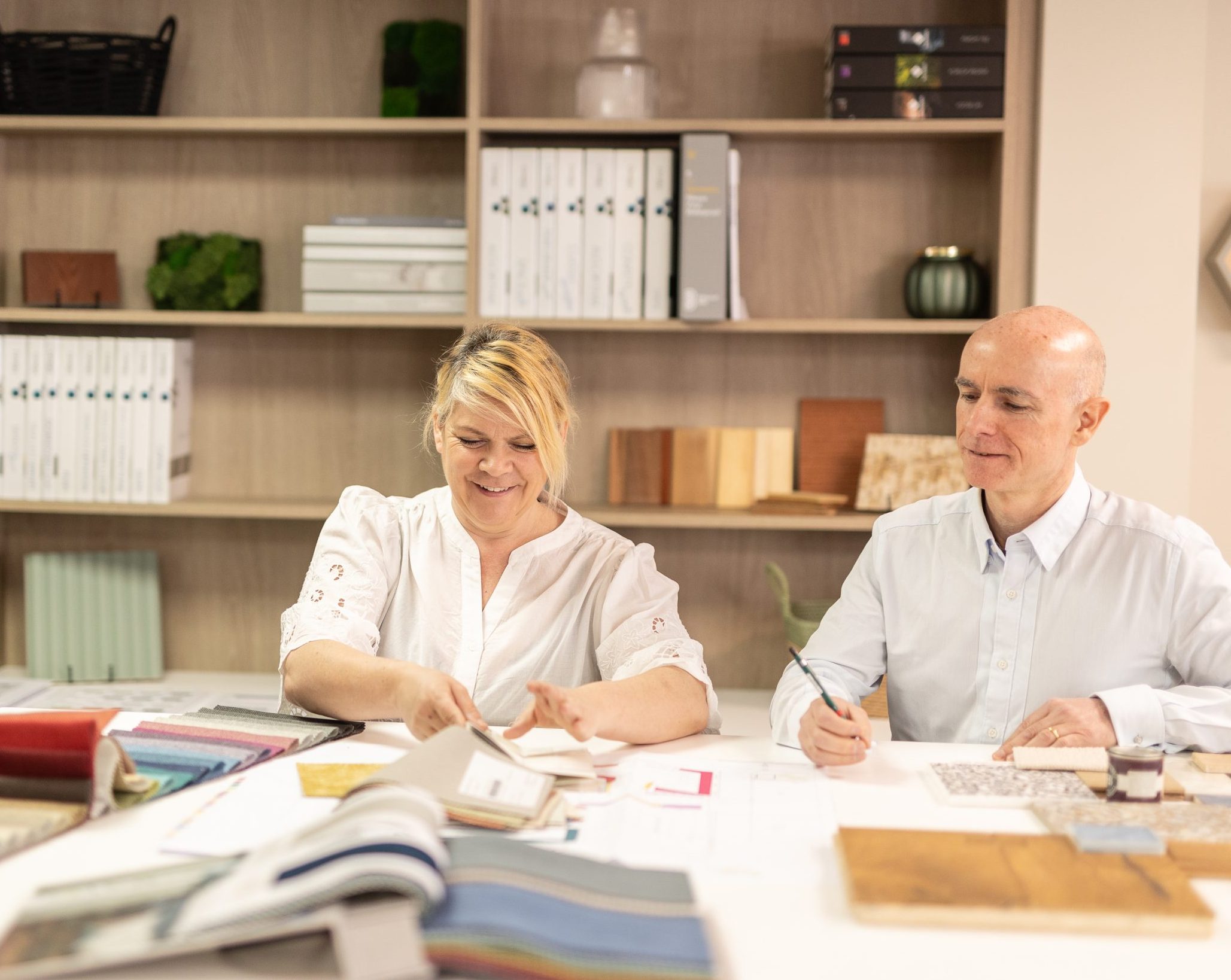
Effective school library design plays a vital role in shaping how students learn, explore information and develop a lifelong love of learning. More than a quiet room filled with books, the modern school library has become a flexible, inclusive learning environment that supports literacy, collaboration and wellbeing, while aligning closely with evolving teaching pedagogy.
At Design ID, we specialise in educational interior design that transforms libraries and wider school environments into purposeful, engaging spaces that enhance both learning outcomes and day-to-day experience.
The role of interior design for school buildings in modern learning environments
High-quality interior design for school buildings is central to creating environments where students can focus, collaborate, and thrive. From classrooms and libraries to social and communal spaces, every area contributes to the overall learning experience.
A well-considered approach to school interior design ensures that spaces are:
- Supportive of different learning styles
- Flexible for changing teaching methods
- Durable for intensive daily use
- Inclusive for all students
This holistic approach reflects contemporary pedagogy and ensures that learning environments work as a connected system, not isolated rooms. Careful consideration of spatial adjacencies also supports intuitive movement and stronger connections between different learning settings.
Why school library design is more important than ever
Modern school library design has evolved beyond traditional quiet study areas. Today’s libraries are dynamic learning hubs that encourage:
- Independent learning and research
- Group collaboration and discussion
- Digital and print-based study
- Quiet reflection and focused reading
By combining flexibility with comfort, libraries become central to both academic success and student wellbeing. They also play an important role in supporting metacognition, giving students spaces where they can reflect on their learning processes as well as outcomes.
Creating flexible classroom and learning environments
A successful modern classroom layout supports both structured teaching and flexible learning. This includes adaptable furniture, clear circulation routes, and spaces that can shift between individual and group work.
In wider classroom interior design, flexibility is key. A strong flexible classroom design allows teachers to respond to different lesson formats and student needs throughout the day, supporting a range of pedagogical approaches.
This approach is especially important in:
- Primary and secondary classrooms
- Multi-use learning zones
- Library-linked study spaces
Strong adjacencies between classrooms and library environments further enhance this flexibility, enabling seamless transitions between teaching, independent study and collaborative work.
Designing inclusive and specialist learning spaces
Inclusive design is essential in today’s education environments. Thoughtful neurodiverse classroom design and SEN classroom design ensure that all students can access learning comfortably and confidently.
Key considerations include:
- Acoustic control to reduce sensory overload
- Calm, structured spatial layouts
- Zoned learning areas for different activities
- Appropriate lighting and material selection
These principles are central to creating supportive, accessible learning environments across all school interior design projects, while also supporting different cognitive approaches and encouraging metacognition in a safe, well-structured setting.
Beyond classrooms: Designing the wider school environment
A complete school building interior design strategy extends far beyond classrooms and libraries. Shared spaces play a major role in shaping student experience and wellbeing.
This includes:
- School canteen design that encourages positive social interaction and efficient flow
- Staff room design that supports staff wellbeing, collaboration, and recovery
- Social and breakout areas that foster connection and community
These environments are increasingly influenced by hospitality-style design, creating more welcoming and experience-led schools. Considering adjacencies between these spaces ensures a cohesive environment where learning, social interaction and wellbeing are seamlessly connected.
How Design ID approaches educational interior design
As a specialist education interior design company, Design ID delivers educational interior design that balances creativity, functionality and long-term performance.
With over 20 years of experience, we understand how to design environments that support learning, teaching and operational efficiency. Our approach to school interior design focuses on creating spaces that are:
- Inspiring yet practical
- Durable and easy to maintain
- Flexible for future educational needs
- Consistent with institutional identity and values
We design everything from classroom interior design and school library design to communal and specialist spaces, ensuring each environment contributes to a cohesive, future-ready school. Our work is grounded in a clear understanding of pedagogy, with careful attention to adjacencies and opportunities to support metacognition across all learning environments.
Designing for wellbeing, flexibility and the future of education
Modern education spaces must do more than accommodate students – they must actively support wellbeing, engagement, and collaboration.
By combining flexible classroom design, inclusive SEN classroom design, and thoughtful school building interior design, we create environments that respond to evolving pedagogy and learner needs. These spaces also enable students to develop metacognitive skills, supporting more independent and reflective learning.
The result is school interior design that not only supports education today but remains adaptable for the future.
Creating schools that inspire learning
Great educational interior design is about more than layout and aesthetics – it’s about shaping how students feel, learn and connect.
From school library design to modern classroom layout strategies, every space plays a role in building a supportive and inspiring learning environment. Thoughtful adjacencies between spaces, combined with a strong understanding of pedagogy and metacognition, ensure that each environment contributes meaningfully to the overall learning journey.
At Design ID, we create interior design for school buildings that brings together creativity, functionality and long-term value – helping schools deliver better outcomes for students, staff and communities alike.