How retail interior design influences customer buying behaviour
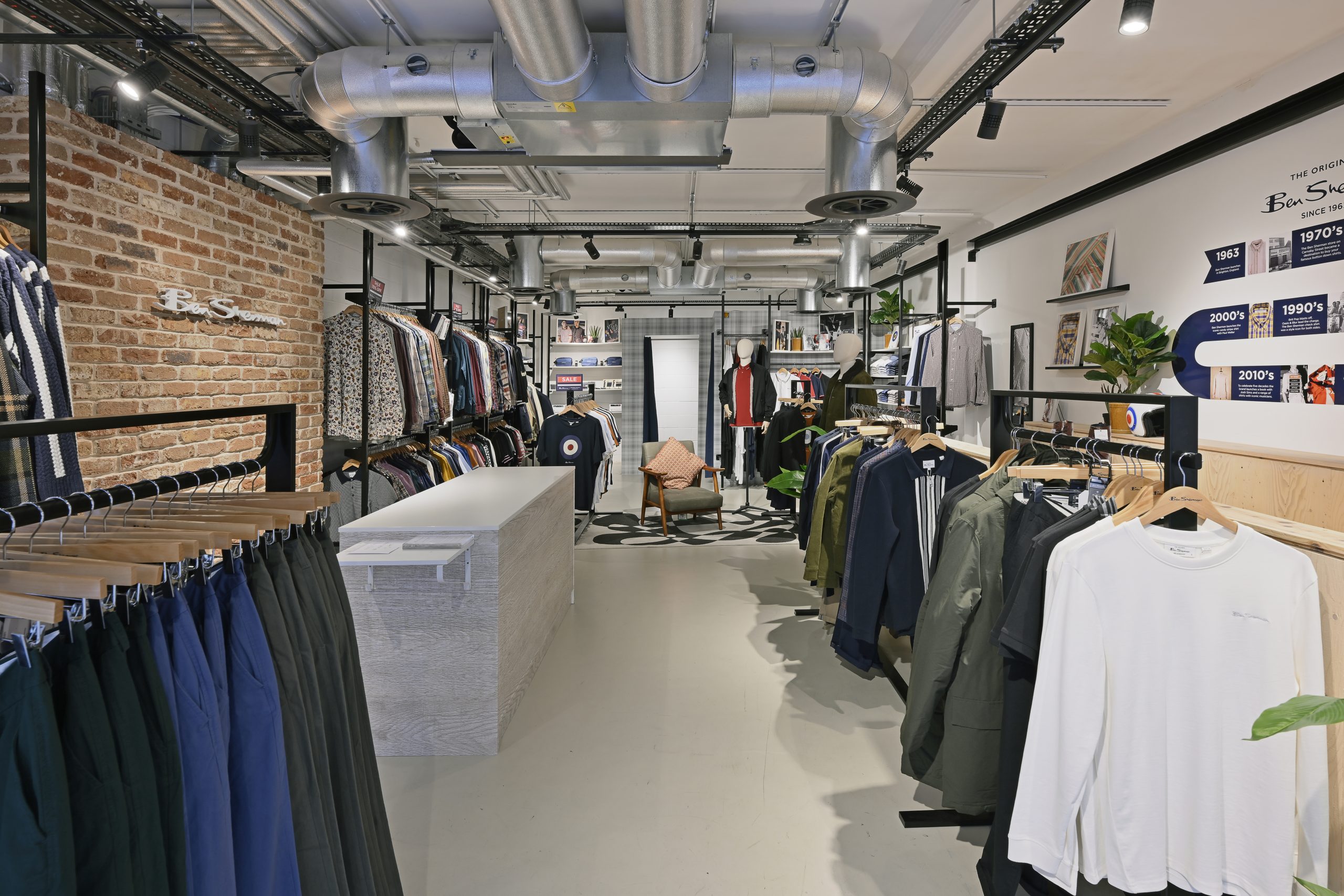
In an era where customer experience defines brand success, the role of retail interior design has never been more critical. A well-designed space does more than showcase products – it shapes perceptions, guides behaviour and ultimately influences purchasing decisions.
At Design ID, we believe in delivering design with impact. Through thoughtful retail architecture design, we create exceptional interiors that inspire connection and belonging, minimise environmental harm and stand the test of time.
Here’s how strategic retail store interior design directly influences customer buying behaviour – and why it should be central to your retail strategy.
1. First impressions & emotional connection
Customers form opinions within seconds of entering a space.
Research suggests that it takes just seven seconds for a customer to form a first impression, and over 90% of that judgement is based on visual appearance. This makes retail shop interior design a critical factor in shaping perception from the outset.
A compelling retail store interior design space creates an immediate emotional response – whether that’s excitement, comfort or curiosity. From materials and lighting to colour and layout, every element contributes to how customers perceive your brand.
Strong retail architecture ensures that the exterior and interior work together seamlessly, drawing customers in and encouraging them to explore further.
2. Store layout & customer flow
The way a store is organised has a direct impact on how customers move – and what they buy.
Effective retail store design guides customers intuitively through the space, exposing them to key products and encouraging longer dwell times. Strategic space zoning, clear pathways and focal points help create a natural journey that maximises engagement.
Thoughtful retail interior design removes friction, making it easy and enjoyable for customers to browse and discover.
3. Sensory experience & brand perception
Retail interior design is multi-sensory.
Lighting, texture, acoustics and even scent all play a role in shaping behaviour. A cohesive retail design appeals to the senses, creating an immersive environment that enhances brand perception and builds emotional connection.
Through considered retail architecture design, these elements are integrated holistically to create spaces that feel both engaging and authentic.
4. Product presentation & visual merchandising
How products are displayed can significantly influence purchasing decisions.
Studies indicate that well-executed visual merchandising can increase sales by up to 20%. Customers are naturally drawn to products that are clearly displayed, well-lit, and easy to interact with. Customers are more likely to engage with products that are well-lit, accessible and presented within a clear narrative.
By aligning retail interior design with visual merchandising strategies, brands can subtly guide attention and increase conversion rates.
5. Comfort, dwell time & customer behaviour
The longer customers stay, the more likely they are to purchase.
Comfortable, well-designed environments encourage customers to slow down and spend more time in-store. Seating areas, intuitive layouts, and welcoming atmospheres all contribute to increased dwell time.
A carefully planned retail store architecture design ensures the space supports both customer comfort and operational efficiency—creating a balance between experience and performance.
6. Trust, quality & brand loyalty
Design communicates quality.
Consumers are more likely to purchase from brands that present themselves professionally and consistently. In fact, studies show that consistent brand presentation can increase revenue by up to 23%.
High-end finishes, attention to detail, and cohesive design signals build trust and reinforce brand credibility. Customers are more likely to purchase – and return – when a space feels considered and premium.
Through expert retail interior design, brands can create environments that reflect their values and foster long-term loyalty.
7. Sustainability & conscious consumer behaviour
Today’s consumers are increasingly aware of environmental impact.
Sustainable materials, responsible sourcing and efficient design not only reduce environmental harm but also influence buying behaviour. Customers are more likely to support brands that align with their values.
At Design ID, our approach to retail architecture design prioritises longevity and responsibility – creating spaces that resonate with modern, conscious consumers.
Why retail interior design matters more than ever
In a digital-first world, physical retail must offer something unique – an experience.
Strategic retail store interior design transforms spaces into destinations, encouraging customers to engage, explore and connect. It bridges the gap between brand and consumer, turning visits into meaningful interactions and transactions.
Designing for impact
At Design ID, we understand that great design influences more than aesthetics – it shapes behaviour.
By combining innovative and thoughtful retail interior design and a deep understanding of human experience, we create spaces that don’t just look exceptional – they perform.
If you’re ready to create a space that truly connects with your customers, Design ID is here to help.
Get in touch to discover how impactful design can transform your retail environment.