Interior design for hospitality: Creating memorable guest experiences that drive revenue
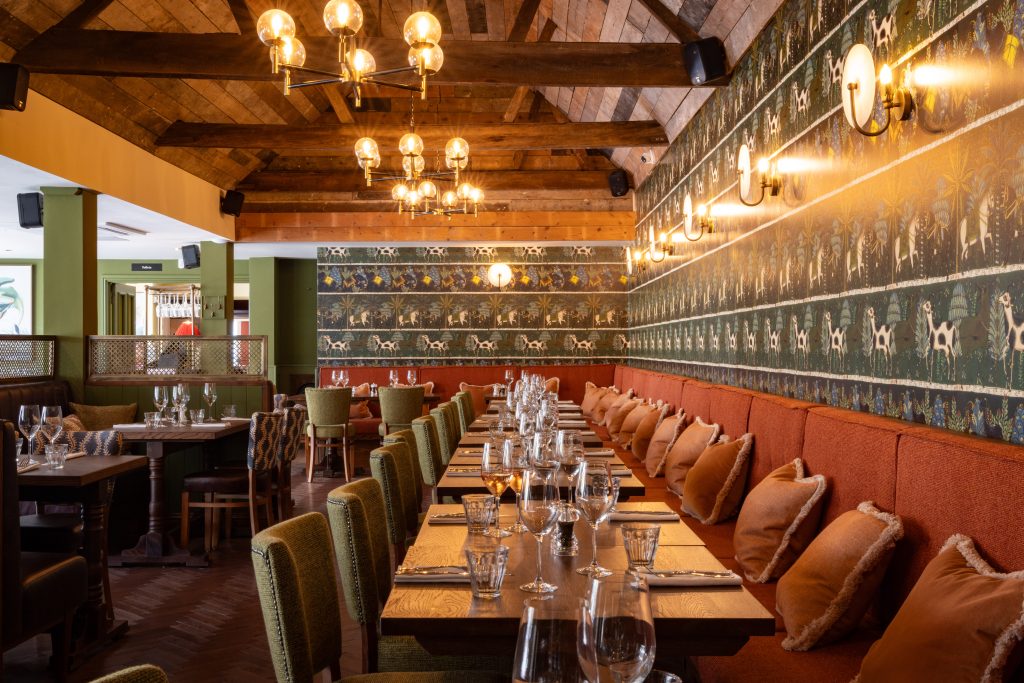
In a sector defined by experience, hospitality interior design has become a critical driver of commercial success. Hospitality operators are increasingly recognising that design is not just about aesthetics – it’s about performance.
From independent restaurants to premium dining destinations, strategic interior design for hospitality shapes how guests feel, how long they stay and how much they spend.
For brands looking to stand out in a competitive regional market, design is no longer a finishing touch – it’s the foundation.
The shift: From functional spaces to experience-led design
The expectations of today’s guest have evolved. Dining and hospitality are now experience-led, with environments playing a central role in perception and value.
Effective interior design for hospitality goes beyond visual appeal to create:
- Emotional connection with the brand
- A sense of place rooted in location
- Seamless journeys from arrival to departure
- Environments that encourage repeat visits
In Kent and the wider South East- where destination dining and boutique hospitality continue to grow – this shift is particularly pronounced. Guests are choosing venues not just for what they offer, but for how they make them feel.
Designing for commercial impact
Well-executed hospitality interior design directly influences revenue. Every design decision should balance guest experience with operational efficiency.
Spatial planning that performs
Optimised layouts maximise covers while maintaining comfort. Clear circulation routes improve both customer flow and staff efficiency – particularly important in high-performing venues.
Zoning for diverse experiences
Layered environments – bar seating, intimate dining areas and flexible spaces – allow operators to appeal to different audiences and increase dwell time.
Atmosphere as a revenue driver
Lighting, acoustics and materiality all contribute to ambience. These elements subtly influence behaviour, from length of stay to perceived value.
Designing for visibility
In an era of digital discovery, standout restaurants interior design creates natural moments for social sharing – turning guests into brand advocates.
A regional perspective: Kent & the South East
Hospitality venues across Kent and the South East benefit from a strong sense of identity – something that design can amplify.
Key approaches shaping the region include:
Contextual design
Referencing local architecture, coastline or countryside settings to create authenticity and connection.
Material-led storytelling
Using natural, durable materials that reflect both brand and location – particularly important in coastal and rural venues.
Flexible hospitality spaces
Designing for adaptability, allowing venues to transition from daytime to evening service or accommodate private events.
Sustainable thinking
Incorporating longevity, responsible sourcing and energy efficiency into the design process – now a key expectation for both operators and guests.
The value of specialist hospitality expertise
Delivering successful interior design for hospitality requires more than creative vision – it demands sector-specific understanding.
A specialist studio such as Design ID brings:
- Insight into guest behaviour and operational flow
- 20 years’ experience across restaurant interior design and hospitality sectors
- A strategic approach that aligns design with revenue goals
- Extensive knowledge of the Kent and South East market
This ensures that every project is not only visually compelling, but commercially effective.
Creating memorable guest experiences
Memorable hospitality environments are carefully orchestrated. They are built through a combination of design elements working in harmony:
- Arrival & first impression – setting the tone from the outset
- Spatial storytelling – guiding guests through the environment
- Sensory layering – texture, light, sound, and comfort
- Brand consistency – ensuring every touchpoint feels intentional
The most successful restaurants interior design projects are those where the experience feels effortless – but is underpinned by rigorous design thinking.
Design as a long-term investment
For hospitality operators, investing in hospitality interior design is a strategic decision.
Done well, it delivers:
- Increased revenue per cover
- Stronger brand differentiation
- Improved customer retention
- Greater longevity of the space
In a crowded market, design is one of the few elements that cannot be easily replicated – and one of the most powerful tools for building lasting success.
Insight from Design ID
As a hospitality-led interior design studio, Design ID approaches every project with a clear focus: creating spaces that perform as well as they look.
By combining creative vision with commercial understanding, the studio delivers interior design for hospitality that elevates guest experience while driving measurable results.
Conclusion
In today’s hospitality sector, experience is everything – and design is at the heart of it.
From concept to completion, strategic restaurant interior design and restaurants interior design shape how spaces function, how brands are perceived and how businesses grow.
For operators across Kent and the South East, the opportunity is clear: invest in design that not only attracts guests but keeps them coming back.