Innovative school library design guide for flexible, future-ready learning environments
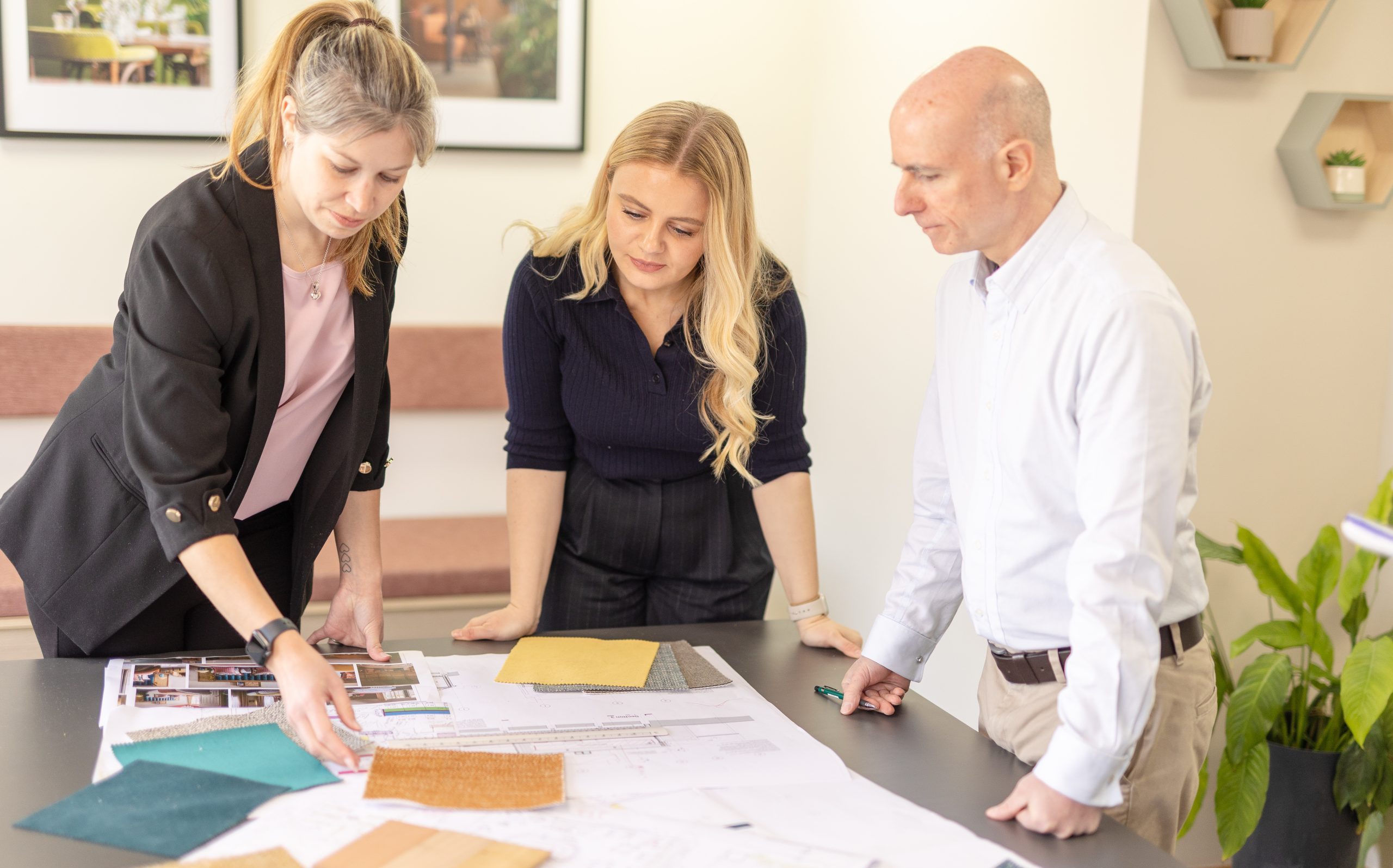
Modern school library design is evolving rapidly. No longer just quiet, book-led spaces, today’s libraries are becoming flexible learning environments that support literacy, collaboration, digital learning and student wellbeing.
This guide explores how thoughtful educational interior design can transform libraries into future-ready hubs that sit at the heart of school interior design and wider school building interior design strategies, while aligning closely with contemporary teaching pedagogy.
At Design ID, we specialise in creating inspiring, practical and inclusive learning environments that support how students learn now – and how they will learn in the future.
Why school library design needs to evolve
In modern education, the library plays a much broader role than traditional study spaces. Effective school library design now supports:
- Independent learning and research
- Group collaboration and project work
- Digital and hybrid learning
- Quiet focus and reflection
This shift reflects wider changes in teaching pedagogy, with increased emphasis on student agency, adaptability and metacognition – helping learners understand how they learn as well as what they learn. It also highlights the importance of spatial adjacencies, ensuring the library connects meaningfully with other learning environments.
Step 1: Design for flexibility first
Flexibility is the foundation of any future-ready interior design for school buildings. Libraries must support multiple learning modes throughout the day without disruption.
A strong modern classroom layout approach applied to libraries includes:
- Reconfigurable furniture for different activities
- Zoned spaces for quiet and collaborative learning
- Open sightlines for supervision and flow
- Multi-use areas that adapt to teaching needs
This creates a genuinely flexible classroom design approach that extends into shared learning environments, supporting a range of teaching pedagogy and enabling students to shift seamlessly between different modes of learning and reflection.
Step 2: Create zones that support different learning styles
Successful school library design is not one single space – it is a collection of learning zones.
Typical zones include:
- Quiet reading and focus areas
- Group collaboration and discussion spaces
- Digital learning and research stations
- Informal breakout seating for independent study
This zoning approach aligns with wider classroom interior design principles and supports metacognition by allowing students to choose the environment that best suits their task, mindset and preferred way of learning. Thoughtful spatial adjacencies between these zones also ensure smooth transitions and intuitive movement throughout the space.
Step 3: Design for collaboration and engagement
Modern libraries should actively encourage interaction, not just silence. By integrating collaborative design principles, libraries become social learning hubs within the school.
This is where educational interior design plays a key role – bringing together literacy, creativity, and communication in one adaptable environment that reflects evolving teaching pedagogy.
Well-designed spaces can include:
- Group study tables and project zones
- Presentation and storytelling areas
- Informal learning corners
- Integrated technology for shared learning
These environments not only support collaboration but also encourage students to reflect on their learning processes, reinforcing metacognitive skills.
Step 4: Prioritise inclusivity and wellbeing
Inclusive design is essential in modern school interior design, particularly in shared learning environments like libraries.
A future-ready school library design should consider SEN classroom design and neurodiverse classroom design principles, including:
- Acoustic control for reduced sensory overload
- Clear spatial organisation and wayfinding
- Calm, low-stimulation zones
- Flexible seating options for different needs
This ensures libraries are accessible, comfortable and supportive for all learners, while also enabling different approaches to learning and metacognition to flourish in a safe and inclusive environment.
Step 5: Connect the library to the wider school environment
The most effective school building interior design strategies treat the library as part of a connected ecosystem, not an isolated space.
Libraries should link seamlessly with:
- Flexible classroom design environments
- Social and breakout learning areas
- Informal study and collaboration spaces
- School canteen design and communal hubs
Considering spatial adjacencies is key here – ensuring the library sits in the right relationship to other areas of the school to maximise accessibility, visibility and use. This integration strengthens the overall learning experience and supports better flow across the school.
How Design ID approaches school library design
At Design ID, we deliver interior design for school buildings that balances creativity, practicality and long-term performance.
As a specialist education fit out company, we bring over 20 years of experience in educational interior design, creating spaces that are:
- Flexible and future-ready
- Inclusive and accessible
- Durable and easy to maintain
- Aligned with teaching pedagogy and learning strategies
Our approach to school library design focuses on creating environments that inspire curiosity, support different learning styles, and encourage metacognition, helping students become more aware, reflective and independent learners.
We design alongside wider school interior design and classroom interior design strategies, carefully considering adjacencies to ensure every space works together as a cohesive whole.
Building future-ready learning environments
A well-designed library is more than a resource hub – it is a central learning environment that supports the entire school community.
By applying principles of flexibility, inclusivity and collaboration, alongside a clear understanding of pedagogy, adjacencies and metacognition, school library design becomes a powerful tool in shaping future-ready education spaces.
At Design ID, we create educational interior design solutions that help schools deliver inspiring, adaptable and high-performing learning environments for the next generation.